



Simple Invoice Google Docs Overview
A common misconception about CNA POC charting is that it's a complex and overwhelming task, but it's actually a straightforward and essential practice for healthcare professionals. This type of charting, often referred to as point-of-care documentation, is a vital tool for CNAs and other healthcare providers to record and track patient observations and vital signs efficiently. It's a simple yet powerful way to ensure accurate and timely patient care planning. While the format and specifics may vary, the purpose remains the same: to provide a clear and concise snapshot of a patient's condition.
Understanding CNA POC Charting
CNA POC charting is a vital tool for healthcare professionals, particularly Certified Nursing Assistants (CNAs), to record and track patient observations and vital signs. This charting method provides a structured and organized way to document patient care, ensuring accurate and consistent records.
Key Details and Categories
The CNA POC charting system typically includes various categories and sections to capture essential patient information. These may include:
- Patient Identification: Name, age, gender, and unique identifiers.
- Date and Time: Precise recording of observations to track progress and changes.
- Vital Signs: Temperature, blood pressure, pulse rate, and respiratory rate.
- Patient Observations: Notes on behavior, mood, pain levels, and any significant changes.
- Interventions and Care: Details of nursing care provided, treatments, and medications.
- Physician Orders: Instructions and prescriptions from doctors.
Step-by-Step Guide to Reading and Applying CNA POC Charts
- Start by locating the patient's record in the chart. Ensure it is correctly identified with the patient's name and other details.
- Check the date and time of the previous entry to understand the context and any recent changes.
- Record vital signs accurately using the appropriate units (e.g., °F or °C for temperature, mmHg for blood pressure).
- Observe and document any changes in the patient's condition, behavior, or mood. Use clear and concise language to describe these observations.
- Note any interventions, treatments, or medications administered, including the time and dosage.
- Refer to physician orders and ensure they are followed accurately. Document any deviations or additional instructions.
- Sign and date the chart to maintain accountability and track changes over time.
Variations and Differences in Charting Standards
While the core structure of CNA POC charting remains consistent, variations may occur due to different healthcare settings, regions, and specific patient needs. For instance, some charts may include additional sections for specialized care, such as wound care or diabetic management. It is essential to be familiar with the specific charting standards and guidelines in your facility or region. Always refer to the latest protocols and ensure you are using the correct chart format.
Common Mistakes and How to Avoid Them
- Inaccurate or incomplete vital sign recordings: Always double-check your measurements and ensure they are within the normal range for the patient's age and condition.
- Forgetting to record the date and time: This basic step is crucial for tracking changes and ensuring continuity of care.
- Inadequate patient observations: Take time to observe and document any changes, even if they seem minor. These details can be vital for patient care planning.
- Omitting or misinterpreting physician orders: Always clarify and understand instructions before acting on them.
- Failing to sign and date the chart: This simple step ensures accountability and helps track changes made by different healthcare professionals.
Best Practices for Accurate and Effective Charting
- Familiarize yourself with the charting standards and guidelines specific to your facility and region.
- Use clear and concise language when recording observations and notes. Avoid abbreviations that may be unclear to others.
- Stay updated with any changes or additions to the charting system to ensure your records are accurate and complete.
- Regularly review and analyze patient charts to identify trends, progress, or areas of concern.
- Collaborate with other healthcare professionals to ensure consistent and accurate charting practices.
CNA POC charting is a valuable tool that, when used correctly, provides a comprehensive overview of patient care and facilitates effective communication among the healthcare team. By following these guidelines and best practices, you can ensure accurate and reliable patient records, contributing to high-quality patient care.
Well, I hope this guide has provided a clear and concise overview of CNA POC charting. Remember, it's always best to refer to the specific guidelines and standards relevant to your context, as exact values and procedures may vary slightly.
Consider bookmarking this page for future reference; it might just save you some time and effort the next time you need a quick refresher on CNA POC charting. Until then, happy charting!
Related: Understand the Jordan Shoe Chart: A Simple Guide
Many people approach the Jordan shoe chart with a bit of hesitation, unsure of how to navigate its measurements and conversions. It's a common misconception that these charts are complex and confusing, but I'm here to assure you, it's a straightforward process!
The Jordan shoe chart is your go-to resource, offering a simple guide to finding your perfect fit. While the values might vary slightly depending on the region or brand, the chart provides a reliable starting point. Think of it as a universal language for shoe sizing, making it easy to convert between different standards, like US to UK sizes, and even helping with kids' shoe sizes!
Understanding the Jordan Shoe Chart
The jordan shoe chart is your go-to guide for finding the perfect fit when it comes to Jordan sneakers. It's a simple yet effective tool that helps you navigate the brand's sizing and ensure you get the right size for your feet. This chart provides a reference for both men's and women's shoe sizes, making it easy to find your ideal fit.
Comparing Size Standards and Formats
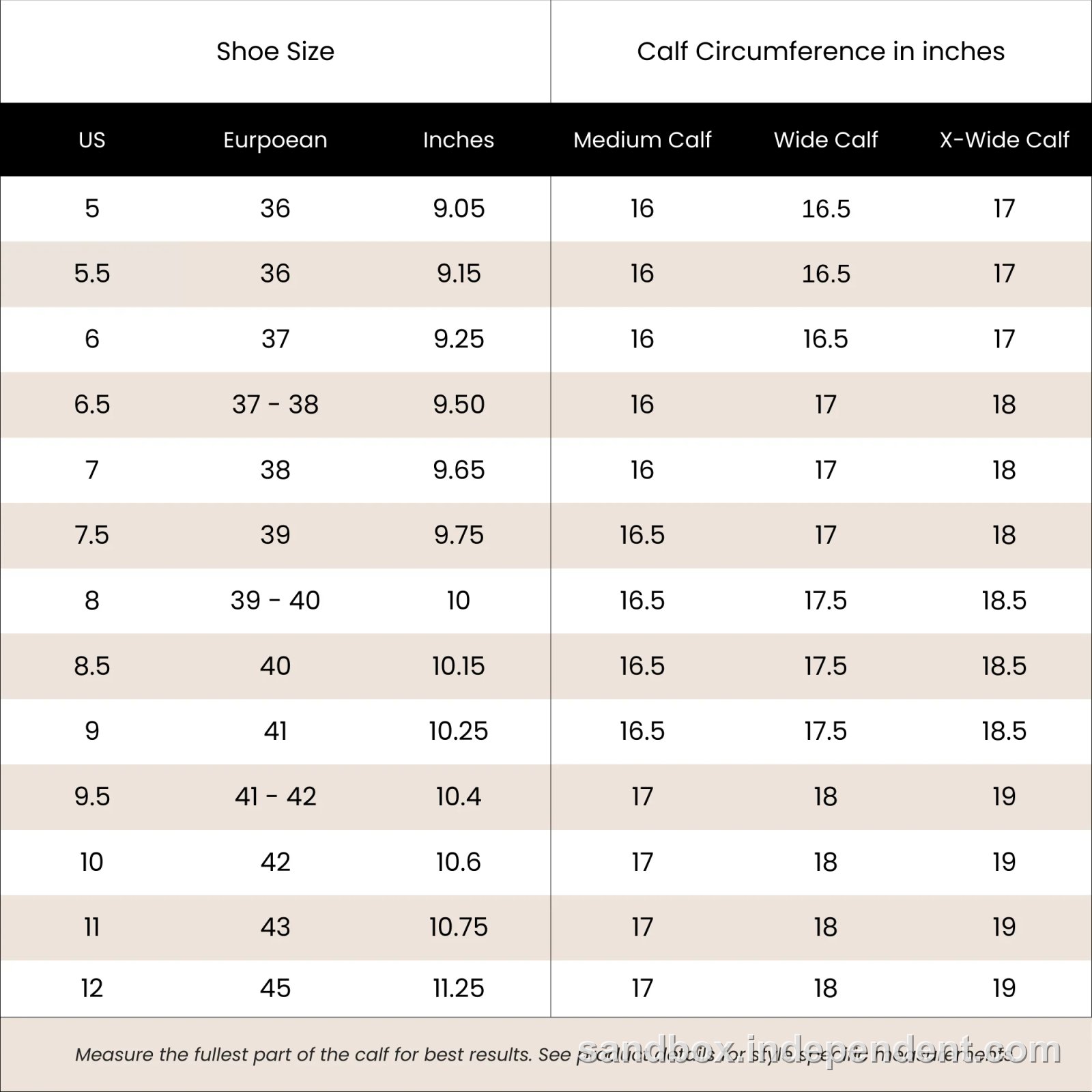
The jordan shoe chart follows a standard sizing system, typically based on US sizes. However, it's important to note that shoe sizes can vary slightly between brands and even within different Jordan shoe models. The chart usually includes a size conversion guide, allowing you to easily convert between US, UK, and European sizes. This is especially useful when you're used to one sizing system and need to adapt to another.
Step-by-Step Guide to Using the Chart
- Measure your feet accurately: This is the first step to ensure a precise fit. You can use a shoe sizing gauge or simply measure your foot length and width with a ruler or tape measure.
- Identify your foot length and width: The jordan shoe chart often provides a range of sizes, catering to different foot lengths. It also includes width variations, such as narrow, medium, and wide, to accommodate various foot shapes.
- Convert and compare: If you're used to a different sizing system, use the conversion guide on the chart to find your equivalent Jordan size. Compare your foot measurements to the chart's size recommendations to determine the best fit.
- Consider personal preferences: While the chart provides a guide, personal comfort and fit preferences may vary. Some people prefer a snug fit, while others go for a slightly larger size for added comfort. Trust your judgment and choose the size that feels right for you.
Common Misreadings and Pitfalls
One common mistake is assuming that all Jordan shoes follow the same sizing guidelines. While the jordan shoe chart provides a general reference, certain models may have slight variations. Always double-check the specific size guide for the shoe you're interested in to ensure an accurate fit. Additionally, remember that foot shape and personal comfort play a role, so don't be afraid to try on different sizes and listen to your feet's feedback.
The jordan shoe chart is a valuable tool, but it's essential to use it as a guide and trust your own judgment and comfort level. By following these simple steps and being aware of potential variations, you'll be able to find your perfect Jordan shoe size with ease.
Hey there! We've covered a lot of ground in this guide, giving you a comprehensive look at the Jordan shoe chart and its uses. Remember, while the basics remain the same, some details might shift based on your specific needs and the sources you consult.
So, keep this page bookmarked for future reference, and feel free to explore our other guides for more practical tips and insights. We aim to make these resources as helpful and accessible as possible, so you can find the right info when you need it most. Happy reading, and we hope to see you again soon!
Related: Cost of Bathroom Reno Simple Guide
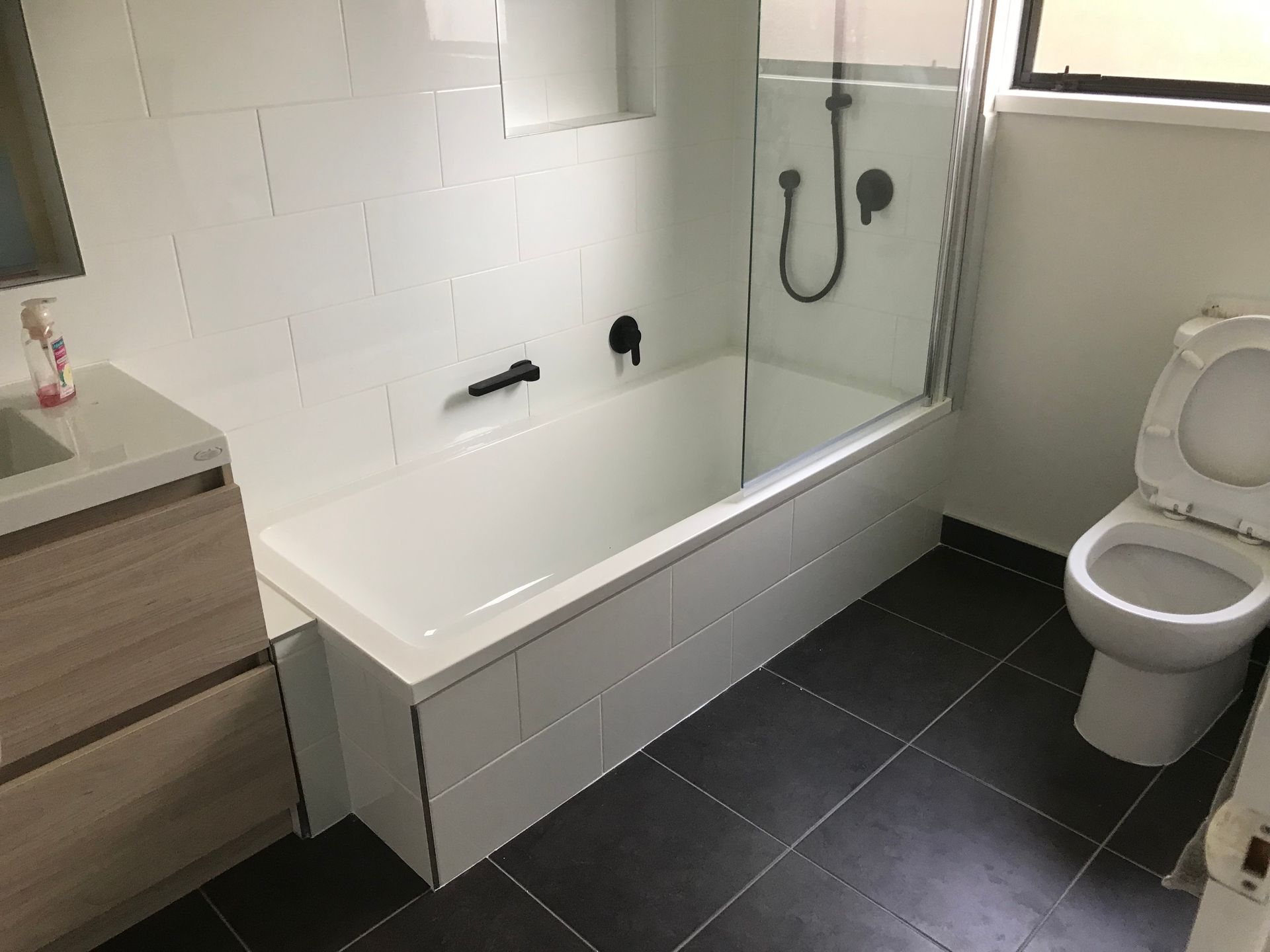
I've got to admit, cost of bathroom reno is a topic that's been on my mind lately. I'm planning a home renovation, and the bathroom is a key part of that. It's a space that can really add value to your home, but it's also a project that can quickly get expensive. So, I wanted to share my findings and some practical tips for anyone else considering a bathroom renovation.
Understanding the Costs
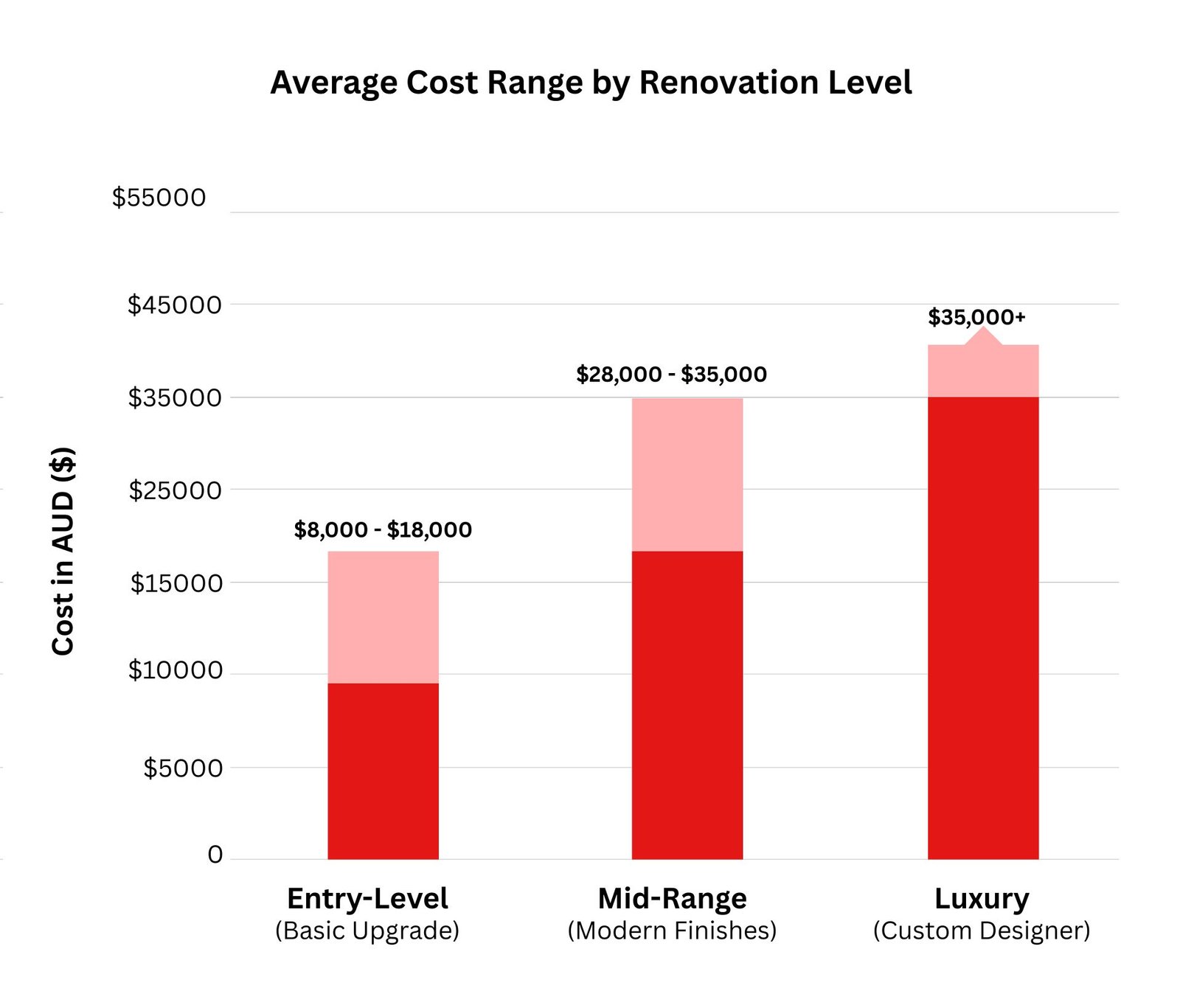
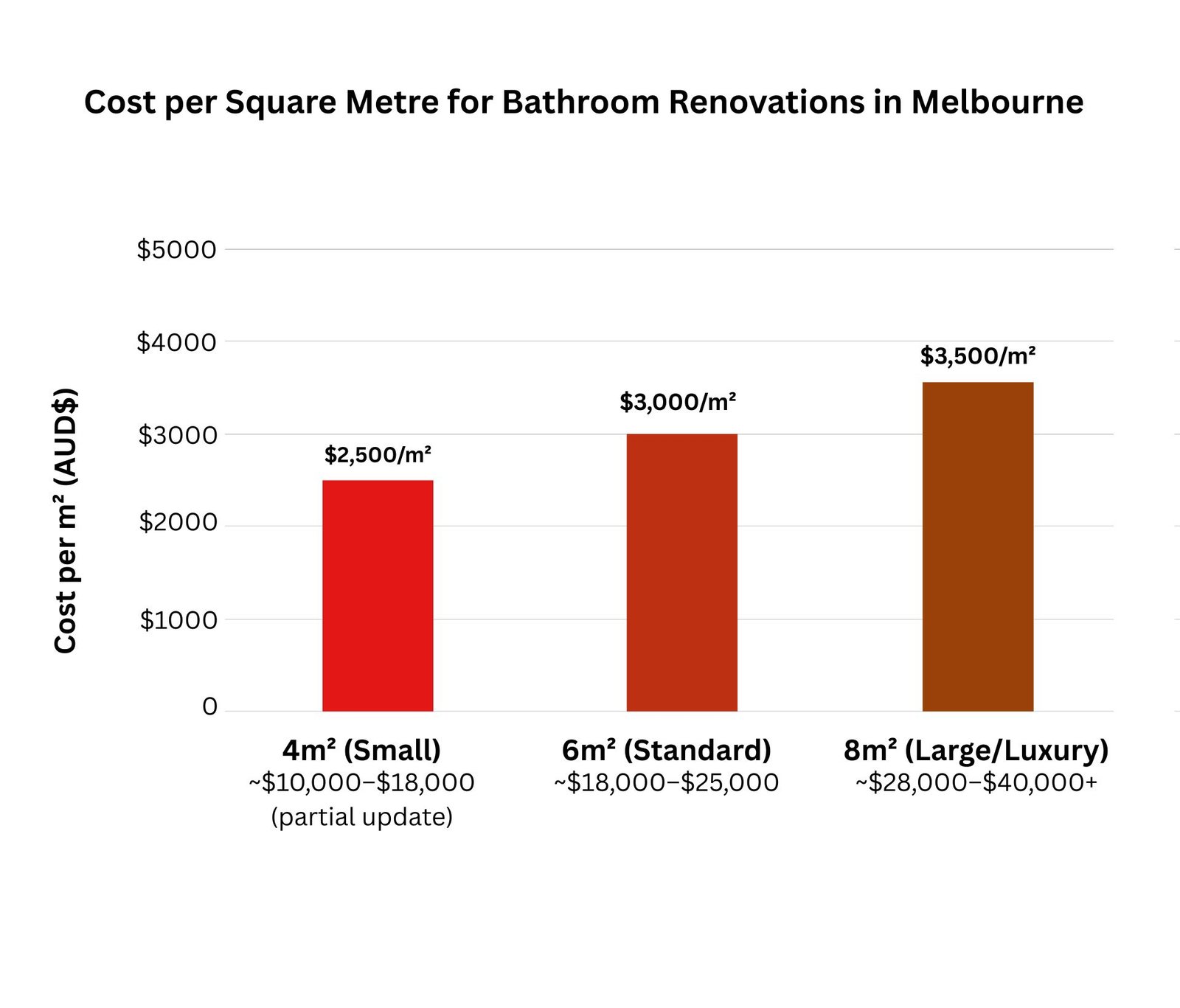
Renovating a bathroom involves a range of costs, and it's important to consider them all. From the initial design and planning to the actual construction, there are several factors that can impact the overall price. The size of your bathroom, the materials you choose, and the complexity of the work are all key considerations. For example, a simple update with new fixtures and a fresh coat of paint will likely be more affordable than a complete overhaul involving structural changes and custom features.
Finding the Right Contractor
Hiring a reputable contractor is crucial for a successful bathroom renovation. You want someone who understands your vision and can deliver quality work within your budget. Before hiring, ask for references and check their past projects. Get at least three quotes to compare prices and ensure you're getting a fair deal. Look for a contractor who provides a detailed breakdown of costs and is transparent about any potential additional expenses.
Construction Companies and Their Names
When it comes to construction companies, the name can be an important factor. It should be memorable, professional, and reflect the nature of the business. Some construction companies opt for a straightforward approach, using their founder's name or a combination of their services and location. Others go for a more creative route, choosing a unique name that stands out. Here are a few original name ideas:
- Build-It-Right
- HomeCrafters
- Renova
- Constructo
- The Fixers
- BuildSmart
Remember to check name availability and secure the necessary registrations and domains to avoid any legal issues.
Jobs and Salaries in the Industry
The construction industry offers a range of job roles, from general contractors and estimators to project managers and specialized tradespeople. Estimators, for example, play a crucial role in determining the cost of projects like bathroom renovations. They analyze factors like materials, labor, and equipment to provide accurate cost estimates. These professionals often work with construction companies and building firms, and their salaries can vary depending on experience and the size of the company.
Tools and Resources for Estimating Costs
When it comes to estimating the cost of a bathroom renovation, there are various tools and resources available. One popular resource is RSMeans, which provides comprehensive cost data for construction projects. It helps contractors and estimators calculate the expenses involved in different aspects of a renovation, including materials, labor, and equipment. While it's a valuable tool, it's important to note that costs can vary depending on your location and the specific project requirements.
Big Companies vs. Small Businesses
The construction industry encompasses a wide range of businesses, from large corporations to small, local enterprises. Big companies often have the resources to take on large-scale projects and may offer a wider range of services. They can handle complex renovations and have the manpower to complete projects efficiently. On the other hand, small businesses tend to focus on a more personalized approach. They may offer more flexibility and can provide a higher level of attention to detail for smaller projects like bathroom renovations.
Wrapping Up
Renovating a bathroom is an exciting project, and understanding the cost of bathroom reno is a crucial step. By considering the various factors that impact costs, hiring the right contractor, and utilizing the right tools and resources, you can make informed decisions and stay within your budget. Remember, it's always a good idea to get multiple quotes and do your research to ensure a successful and satisfying renovation experience.