





Sonic Hedgehog Coloring Pages Overview
"Wow, that construction site looks busy! I wonder how they plan and cost all these projects. It must be a lot of work, and someone has to do it. I'm curious about junior estimator salaries and what that job entails."
Estimating: The Foundation of Construction
As a building project begins, someone has to estimate the costs. That's where junior estimators come in. They play a crucial role in the early stages, helping to shape the financial plan. It's a detailed process, and their work affects the entire project. So, what does a junior estimator do, and what can you expect from this role?
Estimators gather data, analyze costs, and create detailed reports. They consider materials, labor, and any specific requirements. It's a precise job, and estimators must be accurate to avoid costly mistakes. They work with contractors, architects, and clients to ensure everyone is on the same page. The role is an important one, and it's a great starting point for a career in construction.
A Day in the Life of a Junior Estimator
A typical day might involve researching and comparing prices for materials. Estimators need to find the best deals without compromising quality. They also calculate labor costs, considering the scope of the project and the required skills. It's a balancing act, ensuring the estimate is competitive while also being realistic. Junior estimators often work with more experienced colleagues, learning the trade and developing their skills.
Finding a Junior Estimator Role
If you're interested in this field, you'll likely find opportunities with construction companies, remodeling firms, and even larger building organizations. It's a role often filled by recent graduates or those with some relevant experience. When looking for jobs, check online job boards and company websites. You might also find openings through industry connections or by approaching companies directly.
What to Expect from the Salary
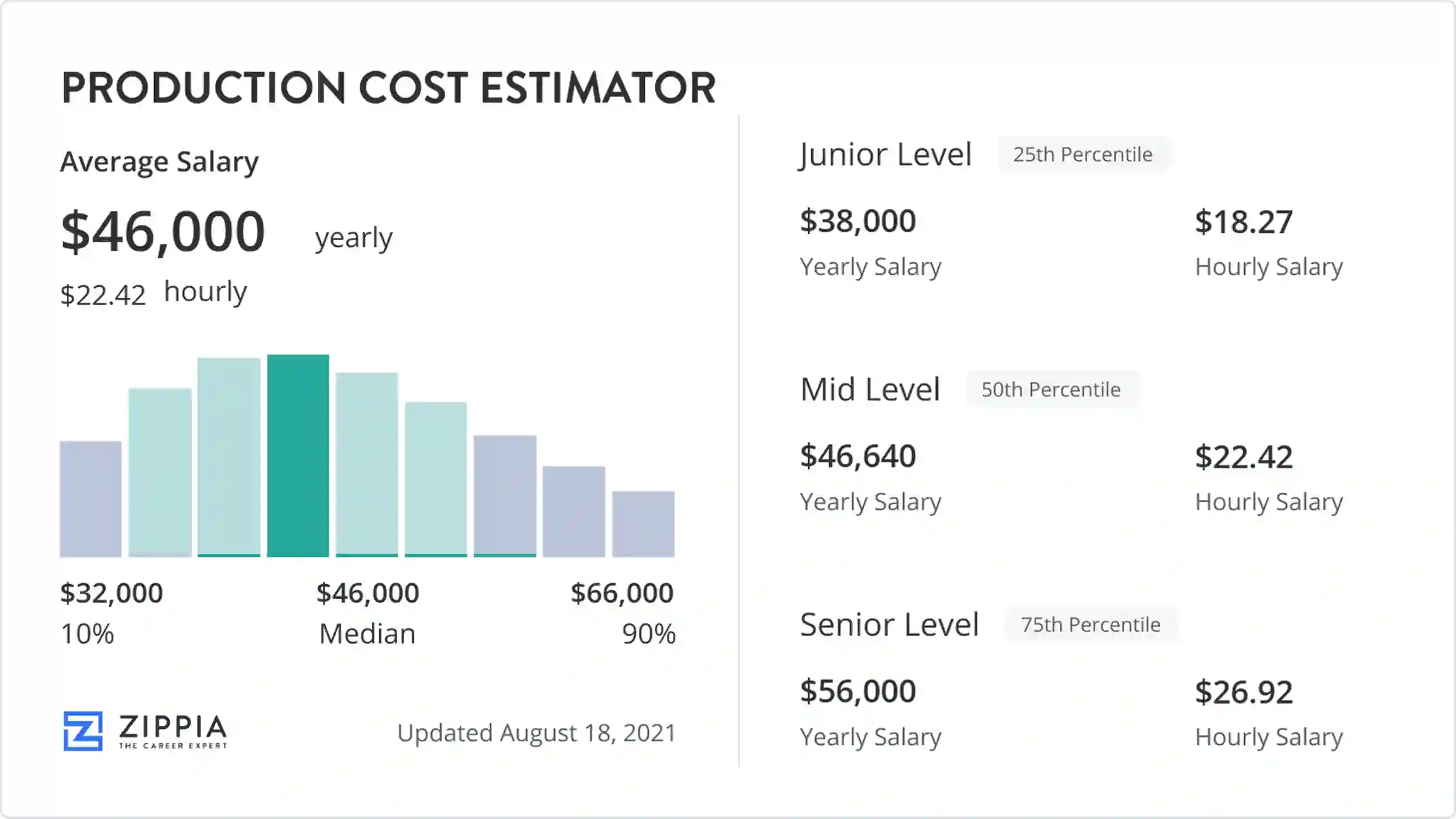
Junior estimator salaries can vary depending on the company, location, and your experience. It's a role that often comes with a set salary, rather than an hourly rate. As you gain experience, your salary is likely to increase. It's a great starting point, offering a stable income and the chance to develop valuable skills.
Building a Career in Estimating
Estimating is a specialized field, and with experience, you can progress to more senior roles. These roles often involve managing a team and taking on larger, more complex projects. You might also specialize in a particular area, such as commercial or residential construction. The skills you develop as an estimator are highly valued and can open doors to other roles in the industry.
Wrapping Up
So, there you have it! A glimpse into the world of junior estimators and their important role in construction. It's a fascinating field, and one that offers a great career path. If you're considering a role in estimating, I'd encourage you to research further and explore the opportunities. It's a rewarding career with plenty of room to grow and develop.
Related: What is a bolt sizes chart and how to use it?
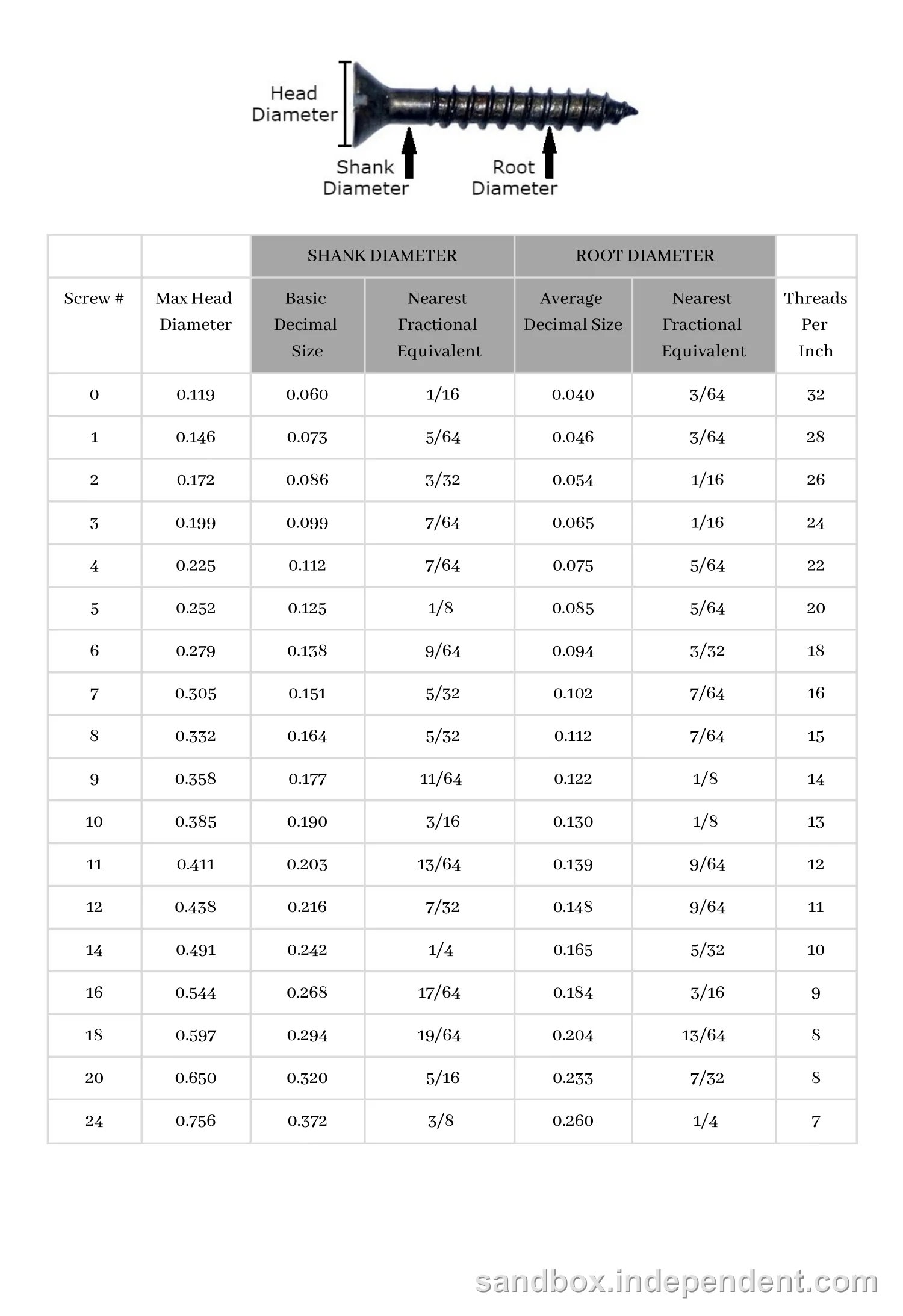
A bolt sizes chart is a handy tool for anyone seeking precise information about bolt dimensions. This guide aims to provide a clear overview, offering a quick reference for those who need to interpret and utilize such charts effectively.
The chart presents a visual representation of bolt sizes, typically including details like length, diameter, and thread pitch. While the values may vary depending on the standard or region, this guide will help you navigate and understand the key measurements, ensuring you can make accurate comparisons and selections.
Understanding the Bolt Sizes Chart
The bolt sizes chart is a comprehensive guide that provides a standardized overview of various bolt dimensions. It offers a quick reference for engineers, builders, and DIY enthusiasts to select the right bolt for their projects. This chart simplifies the process of identifying and specifying bolts, ensuring accurate and compatible fastening solutions.
Key Details and Units
The chart typically includes columns for bolt diameter, length, thread pitch, and sometimes head style. Diameter is measured across the threads, while length refers to the overall length of the bolt, excluding the head. Thread pitch represents the distance between threads and is crucial for compatibility with nuts and threaded holes. The units used in the chart depend on the standard followed, such as inches or millimeters.
Reading Bolt Specs: A Step-by-Step Guide
To use the bolt sizes chart, follow these steps:
- Identify the required bolt diameter. This is often determined by the size of the hole or the object being fastened.
- Determine the necessary bolt length. Consider the thickness of the materials being joined and any additional space needed for the nut.
- Select the appropriate thread pitch. This ensures compatibility with existing threads or the intended application.
- Cross-reference the chosen diameter, length, and thread pitch on the chart to find the corresponding bolt size.
- Verify the head style if needed. Some charts include this information, offering a complete specification.
Variations and Differences
While the bolt sizes chart provides a standardized reference, variations exist due to different standards and contexts. For instance, metric and imperial systems have distinct units and measurements. Additionally, specific industries or applications may require non-standard bolt sizes or unique head styles. It's essential to consult the relevant standard or specification for your project to ensure accuracy.
Common Mistakes and How to Avoid Them
- Failing to consider the thread pitch can lead to incompatible connections. Always check the thread pitch, especially when working with existing threads.
- Neglecting to account for head style may result in poor fit or functionality. Some bolts have unique head designs for specific purposes.
- Relying solely on the chart without considering the project's specific requirements can lead to oversights. Always double-check the exact specifications and tolerances for your application.
- Not verifying the standard being followed can cause confusion. Ensure you are using the correct chart for your region or industry.
Remember, while the bolt sizes chart is a valuable tool, it is essential to cross-reference and verify the information with the relevant standards and specifications for your project.
While the information provided in this guide offers a solid foundation, it's important to remember that bolt sizes and standards can vary slightly between different industries and applications. Exact values may differ based on the specific context and source you're working with.
Feel free to explore our other guides for more detailed insights and practical tips. We've got a range of resources to help you navigate various aspects of construction and engineering, so take a look and find what works best for your projects!
Related: Find Your Perfect Gauge Size: A Comprehensive Chart
Many people assume that a gauges size chart is a simple, one-size-fits-all guide, but it's actually a bit more complex than that! These charts are essential tools for anyone getting or wanting ear piercings, as they ensure you get the right size jewelry.
While gauges size charts provide a standard gauge system, it's worth noting that variations exist due to different measurement standards and brands. So, it's always a good idea to double-check and ensure you're using the right chart for your needs, whether it's for ear piercing measurements or body jewelry sizing.
Understanding the Gauges Size Chart: A Quick Overview
The gauges size chart is a handy tool for anyone who wants to understand and work with different gauge sizes. It provides a clear visual representation of the various measurements used for gauge sizing, typically for body jewelry or ear piercings. This chart is your go-to reference, offering a simple way to grasp the differences between gauge sizes.
Comparing Gauge Standards and Formats
When it comes to gauge sizes, there are two main standards: the imperial and metric systems. The gauges size chart often presents these in separate columns or sections. Imperial gauges are measured in fractions of an inch, while metric gauges use millimeters. It's crucial to know which system you're dealing with to read the chart accurately.
Measuring Accurately: Step-by-Step Guide
Using the gauges size chart is straightforward:
- Identify the type of gauge you're working with - whether it's an imperial or metric gauge.
- Locate the corresponding column or section on the chart.
- Find the specific gauge size you need by matching it to the values on the chart.
- Take note of the measurements provided, ensuring you understand whether they are in inches or millimeters.
- If you need to convert between the two systems, you can use a gauge conversion chart as a helpful tool.
Common Gauge Mistakes and How to Avoid Them
A common pitfall is mixing up the imperial and metric systems. Always double-check which system your gauge size follows to ensure accurate measurements. Another mistake is assuming all gauge sizes are universal. Different manufacturers and regions might have slight variations, so always refer to the specific body jewelry sizing standards for your context.
Factors Affecting Accuracy and Real-World Use
The gauges size chart is a valuable reference, but it's important to remember that real-world applications can vary. Factors like material tolerance, manufacturing processes, and even the specific body part being pierced can influence the actual size. Always check with reputable sources or professionals for the most accurate information, especially for specialized applications.
Adapting the Chart for Your Needs
While the gauges size chart provides a standard reference, it's adaptable to different needs. If you work primarily with one gauge system, you can focus on that section for quicker reference. For those who need a more comprehensive view, combining both imperial and metric systems on one chart can be beneficial. Additionally, some charts offer additional features like conversion tools or visual aids to assist in understanding gauge sizes.
So, there you have it! A comprehensive guide to gauge size charts, covering all the bases. We've looked at the different standards, a step-by-step process for accurate readings, and even some common mistakes to avoid.
Remember, when it comes to precision, context is key. Ensure you're using the right chart for your specific needs and double-check any critical applications. With these charts as your reference, you'll be well-equipped to make informed decisions. Feel free to explore our other guides; we've got plenty of practical tips and tricks to offer!