


T Rex Coloring Pages Printable Overview
Many people approach the nail length chart with some confusion, assuming it's a complex tool when it's actually a simple, handy reference. Rest assured, it's an easy-to-use guide!
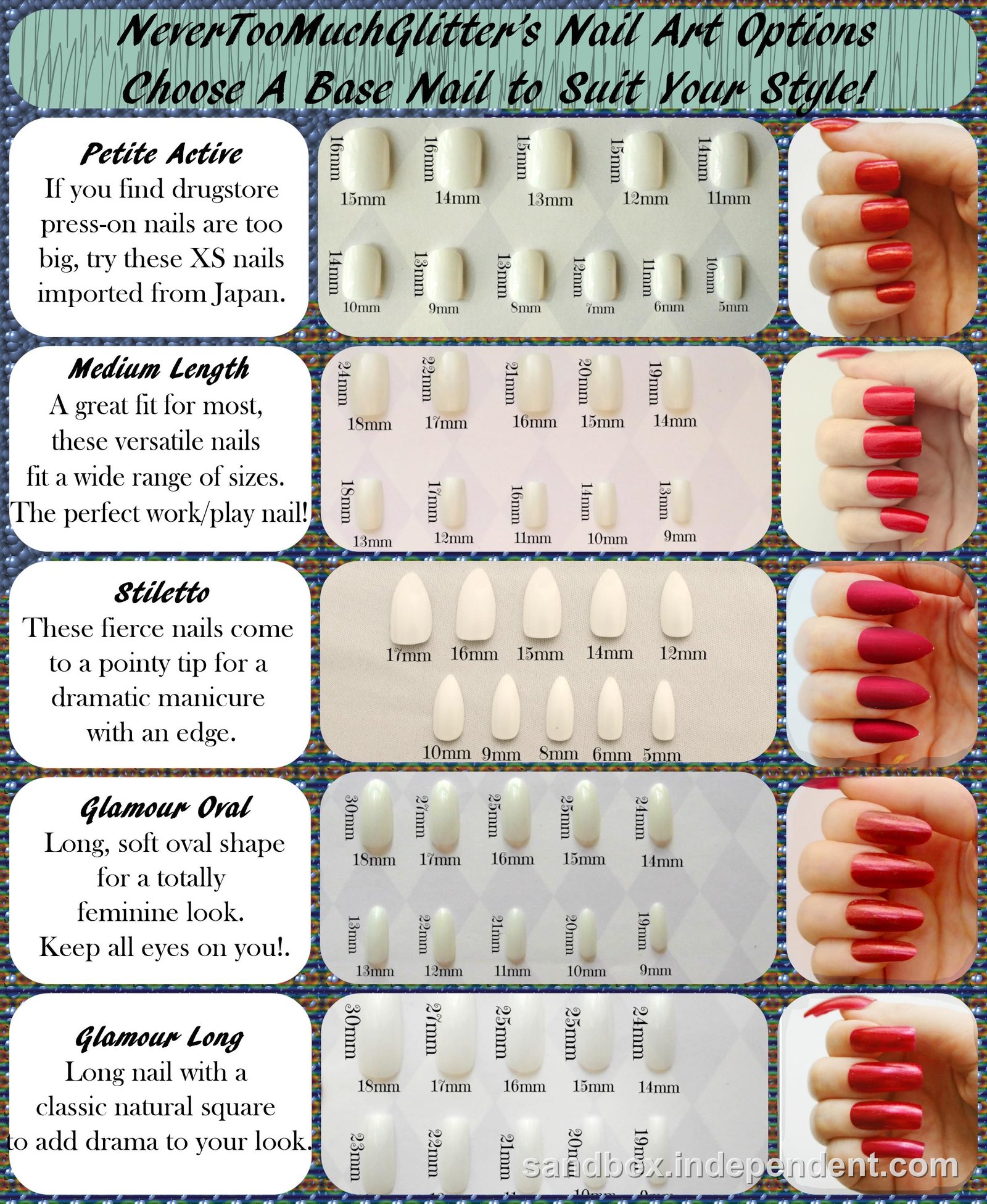
The chart provides a clear visual representation of nail lengths, offering a quick way to measure and compare. While values may vary slightly depending on your region or the brand you use, the nail length chart remains a reliable tool for anyone seeking precision and consistency. Think of it as your go-to nail size chart or fingernail measurement guide!
Nail Length Chart: A Practical Guide
A nail length chart is a handy tool that provides a reference for various nail lengths, typically used in the beauty and fashion industries. It offers a visual representation of different nail sizes, helping you understand and communicate nail lengths effectively.
Understanding the Key Details
The chart usually displays nail lengths in two common units: inches and millimeters. You'll find categories like "Short," "Medium," and "Long," each with a range of values. For example, short nails might be 0.5 to 1 inch (or 12 to 25 mm), while long nails could be 1.5 to 2 inches (38 to 51 mm).
Reading the Chart and Measuring Nails
Here's a step-by-step guide to using the nail length chart:
- Identify the unit you prefer, whether it's inches or millimeters.
- Locate the category that best describes the nail length you want to measure or achieve.
- Within that category, find the specific length you need. For instance, if you want medium-length nails, you might aim for 1 inch (25 mm).
- Use a nail length gauge or a simple ruler to measure your nails against the chart's values.
Variations and Differences
It's important to note that nail length charts may vary depending on the standard or context. Different regions and industries might have slightly different measurements or categories. For instance, the US and international standards might have slight variations in the exact ranges for each category. Additionally, specific nail art or design trends can influence the definitions of nail lengths.
To ensure accuracy, always refer to the appropriate standard for your industry or region. If you're unsure, it's best to double-check the exact specifications or consult a professional. Remember, the chart provides a general guide, but precise measurements might require additional tools or expertise.
Hey there! I hope this nail length chart guide has been helpful. Remember, these measurements are a great starting point, but they can vary slightly depending on the context and your personal preferences.
It's always good to have a reference guide like this handy, so feel free to bookmark this page for future nail adventures! You'll find other practical guides on our blog too, so make sure to check them out for more tips and tricks. Happy measuring!
Related: How to Read a Bangle Size Chart?
You're here because you need a simple solution, and the bangle size chart is your answer. This handy tool, whether a visual guide or a reference table, is a quick way to get the right bangle size. It's a straightforward process, but with so many options, it's easy to get confused. So, let's keep it simple and ensure you find the perfect fit. The chart may vary, offering different measurements and standards, but we'll navigate that together, ensuring you understand the key details.
Bangle Size Chart: A Simple Guide
The bangle size chart is a handy tool that helps you find the perfect fit for your bangles or bracelets. It's a reference guide that provides measurements and sizes to ensure you get the right size every time. This chart is especially useful when shopping online or if you're unsure about your wrist size.
Key Details and Measurements
Before we dive in, let's understand the basics. The bangle size chart typically includes two main measurements: the inner circumference and the diameter. The inner circumference is the distance around the inside of the bangle, while the diameter is the width across the opening. These measurements are usually provided in inches or centimeters, depending on the standard used. It's important to note that different regions and manufacturers may have slight variations in their charts, so always check the specific guidelines.
Reading the Chart and Sizing Your Bangles
Using the bangle size chart is straightforward. Here's a step-by-step guide:
Measure your wrist: Take a flexible measuring tape and wrap it around your wrist at the point where you'd like to wear the bangle. Ensure it's snug but not too tight. Note down the measurement in inches or centimeters.
Find your size: Refer to the bangle size chart. Look for the column or section that matches your wrist measurement. The chart will provide you with the corresponding bangle size, often labeled with letters or numbers.
Choose the right size: Select the bangle size that aligns with your wrist measurement. If your wrist measurement falls between two sizes, it's generally recommended to go for the larger size for a comfortable fit.
Consider the bangle style: Some bangles are designed to be worn loosely, while others are meant to fit snugly. Adjust your choice based on the style and your personal preference.
Double-check: If you're ordering online, ensure the retailer provides accurate size guides and specifications. It's always a good idea to cross-reference with multiple sources to ensure an accurate fit.
Variations and Differences to Consider
While bangle size charts are a great starting point, there can be variations across different standards and contexts. Here are some factors to keep in mind:
- Wrist circumference: The size of your wrist can vary based on factors like bone structure, muscle tone, and personal preferences for a snug or loose fit.
- Bangle style: Different bangle designs may have unique sizing requirements. For example, hinged bangles often have a different fit compared to open-ended styles.
- Material: The flexibility and stretch of the bangle material can impact the sizing. Some materials, like resin or plastic, may have more give, while metals like silver or gold may be more rigid.
- Personal comfort: Ultimately, the right size is the one that feels comfortable to you. Trust your instincts and choose a size that allows for easy wear and removal.
Remember, the bangle size chart is a practical tool to guide you, but it's always a good idea to check specific brand guidelines and consider your personal preferences for a perfect fit.
Hey there, I hope this bangle size chart has been a helpful tool for you! Remember, when it comes to these charts, the exact values might differ slightly depending on the source or standard you're using. It's always a good idea to double-check and ensure you're using the right measurements for your specific needs.
Feel free to explore our other guides and resources on similar topics. We've got plenty of practical tips and tricks to share, so make sure to check them out and keep learning!
Related: Uncover the Perfect Rug Size: A Quick Guide
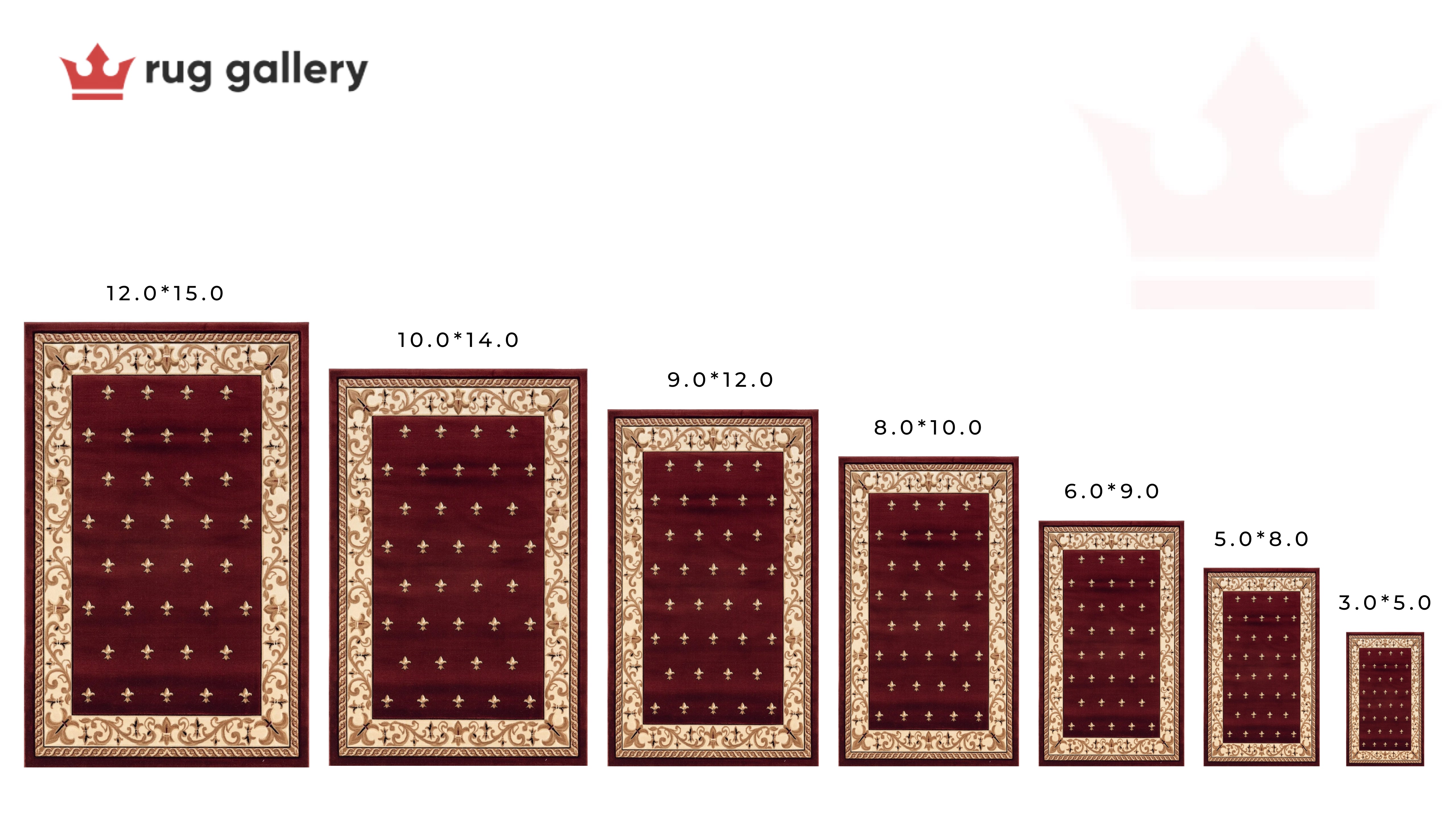
You're here because you need a quick fix, a reliable reference, or a simple guide to help you choose the right rug size. Well, look no further! The rug sizes chart is your friend and a brilliant tool to have on hand. It's a straightforward, visual aid that takes the guesswork out of selecting the perfect rug dimensions.
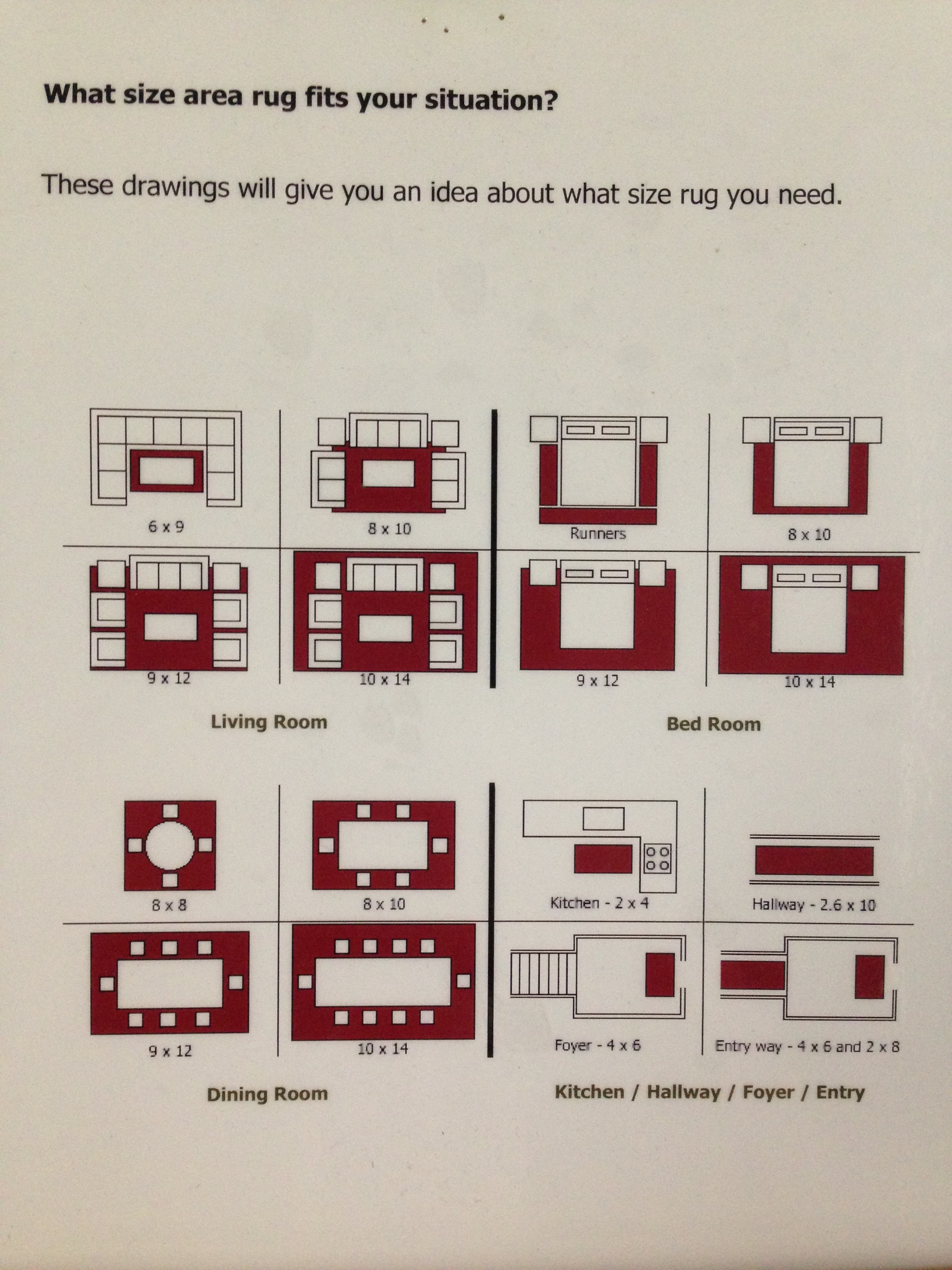
This chart is a handy reference, offering a clear overview of standard rug sizes and their corresponding measurements. It's a simple yet effective way to ensure your rug fits the space beautifully, and it can even guide you on the best rug size for different room dimensions.
Rug Sizes Chart: A Practical Guide
Rug sizes charts are a handy reference tool for anyone looking to choose the right rug for their space. These charts provide a quick and easy way to visualize standard rug dimensions and help you make an informed decision. In this guide, we'll explore what these charts offer and how to use them effectively.
Key Details and Units
Rug sizes charts typically display a range of standard rug sizes, often in both imperial and metric units. You'll find measurements for length and width, allowing you to understand the dimensions of each rug size. The charts may also include categories or labels to differentiate between common rug types, such as runner rugs or large area rugs. It's important to note that these charts provide a general guide, and specific rug collections or manufacturers may have slight variations.
Reading the Chart and Choosing the Right Size
Using a rug sizes chart is straightforward. Here's a step-by-step guide:
- Identify the room or space where you want to place the rug. Consider the available floor area and any furniture arrangements.
- Refer to the chart and locate the section that matches your room's dimensions. For example, if your room is 12 feet by 10 feet, look for the corresponding size category.
- Within that category, you'll find various rug sizes. Choose a size that best fits your space, considering the amount of floor coverage you prefer.
- Take note of the rug's length and width measurements. These will help you visualize how the rug will look in your room.
- If you're purchasing online, ensure the rug's dimensions align with your chosen size. Some retailers may have slight variations, so double-check the exact measurements before ordering.
Variations and Differences
While rug sizes charts provide a standardized guide, variations can occur due to different standards and contexts. For instance, international or metric standards may have slightly different measurements compared to imperial units commonly used in certain regions. Additionally, manufacturers might offer custom sizes or have unique naming conventions for their rug collections. It's always a good idea to check the specific rug's measurements and any unique specifications provided by the manufacturer or retailer.
Common Mistakes and How to Avoid Them
When using a rug sizes chart, here are some common pitfalls to watch out for:
- Relying solely on the chart without considering your room's unique layout and furniture placement. Take the time to visualize how the rug will fit within your space.
- Assuming all rugs in a particular size category are identical. Different rug designs and materials may have slight variations in dimensions, so always check the specific rug's measurements.
- Forgetting to account for rug thickness. Thicker rugs may require slightly more floor space to accommodate their bulk.
- Neglecting to measure your room accurately. Take precise measurements to ensure the rug fits as intended.
By being mindful of these potential mistakes, you can ensure a successful rug selection process and achieve the perfect rug placement in your space.
Remember, when it comes to rug sizes, the exact measurements might differ slightly based on various factors. So, always double-check the specific standards or guidelines relevant to your project.
We hope this guide has been helpful! If you're keen to explore more practical tips and tricks, feel free to check out our other guides on a range of home improvement and design topics. Happy decorating!