



Tide Chart Boston For Kids Overview
The Trojan size chart is a handy reference tool, offering a quick glance at condom sizes. This guide aims to demystify and simplify the process, ensuring you can easily navigate and understand the chart's information. It covers the essential details, providing a clear overview of standard condom sizes and their measurements. With variations in nominal width and length, the chart offers a visual representation, making it simple to find the right fit.
Understanding the Trojan Size Chart: A Quick Overview
The Trojan size chart is a valuable tool for anyone seeking a perfect fit and optimal protection when using condoms. It provides a standardized reference to help you choose the right size for your needs. This chart is designed to offer a clear and easy-to-understand guide, ensuring you can make an informed decision.
Comparing Condom Sizes: Standard Options and Formats
The Trojan size chart typically presents two key measurements: length and width. Length variations are common, and the chart accounts for this by offering a range of sizes. Width, often referred to as nominal width, is a more standardized measurement, usually given in millimeters (mm) or fractions of an inch. This dual approach ensures a comprehensive size guide.
Step-by-Step Guide to Using the Trojan Size Chart
To use the Trojan size chart accurately, follow these simple steps:
Measure your erect penis length. This is best done with a soft, flexible tape measure, ensuring an accurate and comfortable fit.
Note your girth (circumference) measurement. This is often more subjective and can be measured with a tape or string, then measured against a ruler.
Refer to the Trojan size chart and match your length and girth measurements to the closest size category.
Choose the condom size that aligns with your measurements.
Avoiding Common Misreadings and Pitfalls
One common mistake is assuming all condom brands use the same size standards. While the Trojan size chart is a great reference, it's important to note that other brands may have slightly different size categories. Always double-check the specific brand's size guide to ensure an accurate fit.
Factors Affecting Accuracy: Key Considerations
Erect length can vary, so it's essential to measure accurately and choose a condom that accommodates this range.
Girth (circumference) is a subjective measurement and can be influenced by factors like erection quality and personal comfort.
- Personal preference: Some may prefer a looser or tighter fit, which can impact the chosen size.
- Erection quality: The state of your erection can affect measurements and, consequently, the chosen size.
- Comfort and sensitivity: Consider your personal comfort and sensitivity when choosing a size.
Adapting the Trojan Size Chart for Specific Needs
The Trojan size chart offers a standard guide, but individual needs may vary. If you have specific requirements, such as a larger or smaller size, or if you prefer a particular brand, you may need to adapt the chart. Many brands offer extended size ranges, so exploring these options can ensure a perfect fit.
Keeping Your Reference Reliable for Future Use
To ensure the Trojan size chart remains a reliable reference, it's important to regularly update your measurements. Our bodies can change over time, so re-measuring periodically ensures you always choose the right size. Additionally, staying informed about any updates or changes to size standards or brand specifications will keep your reference accurate and up-to-date.
Well, there you have it, a comprehensive guide to Trojan size charts. With this knowledge, you can now approach your reference needs with confidence. Remember, while this guide provides a solid foundation, every situation is unique. It's essential to consider your specific context and requirements before making any final decisions.
Feel free to explore our other resources and guides; we have a wealth of information to help you navigate various topics with ease. Happy referencing!
Related: Oahu Tide Chart: A Clear and Simple Guide
Many people overlook the power of a simple Oahu tide chart and its ability to provide essential insights. It's not just a pretty visual; it's a practical tool with a specific purpose. The chart is your reliable guide to understanding the ocean's rhythm, offering a clear view of tide times and heights. With this knowledge, you can plan your beach days, water sports, or even fishing trips with confidence.
Understanding Tide Patterns on Oahu
The Oahu tide chart is your go-to guide for navigating the island's coastal adventures. It provides a snapshot of the ocean's rhythm, helping you plan your activities around the tides. This chart is a handy tool, especially for surfers, swimmers, and beachgoers, as it offers a glimpse into the ocean's movements.
Reading the Chart: Formats and Categories
The Oahu tide chart typically displays tide information in a clear, tabular format. You'll find columns indicating the date and time, followed by the tide height and its status, such as high or low tide. The height is often measured in feet or meters, depending on the standard used. It's essential to check which unit of measurement is employed to ensure accuracy.
Practical Tide Tips: Step-by-Step Guide
To make the most of your time on Oahu, follow these simple steps:
- Locate the current date and time on the tide chart.
- Identify the corresponding tide height and its status (high or low).
- Consider the activity you have planned. For instance, low tide might be ideal for beachcombing or exploring tide pools, while high tide is perfect for surfing or swimming.
- Adjust your plans accordingly, ensuring you make the most of the tide's influence.
Common Tide Variations and Misreadings
While the Oahu tide chart is a valuable tool, it's important to note that tides can vary due to several factors. Here are some common variations and how to account for them:
- Weather conditions: Strong winds and storms can influence tide heights and timings. Always check the weather forecast to anticipate any changes.
- Moon phases: The moon's gravitational pull affects tides. Full and new moon phases often bring higher high tides and lower low tides.
- Seasonal changes: Tides can vary throughout the year, with some seasons experiencing more extreme variations.
To ensure accuracy, double-check the specific standards and measurements used on your Oahu tide chart. While the chart provides a reliable guide, it's always beneficial to observe the ocean's behavior and adjust your plans accordingly. Remember, the ocean's rhythm is a fascinating dance, and understanding its patterns will enhance your coastal experiences on Oahu.
Well, there you have it! We've covered a lot of ground, from understanding the different tide chart formats to learning how to read them accurately. It's a simple yet powerful tool for any ocean-lover or adventurer.
Remember, while this guide provides a solid foundation, your specific needs may vary. So, take a moment to ensure you've considered all the unique aspects of your adventure before you set sail. And don't forget to explore our other guides for more practical tips and insights!
Related: Cat Poop Chart: Your Quick Reference Guide
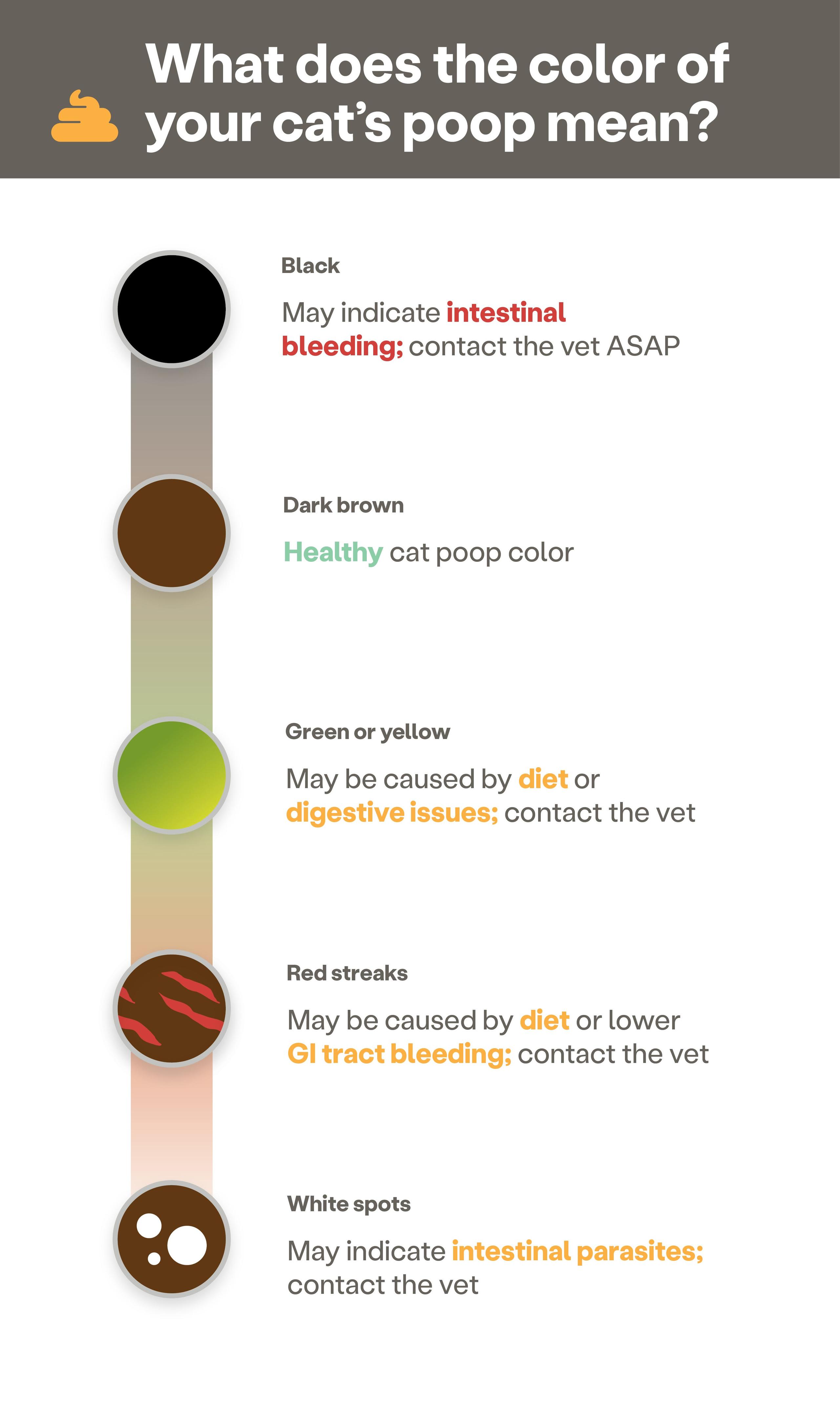
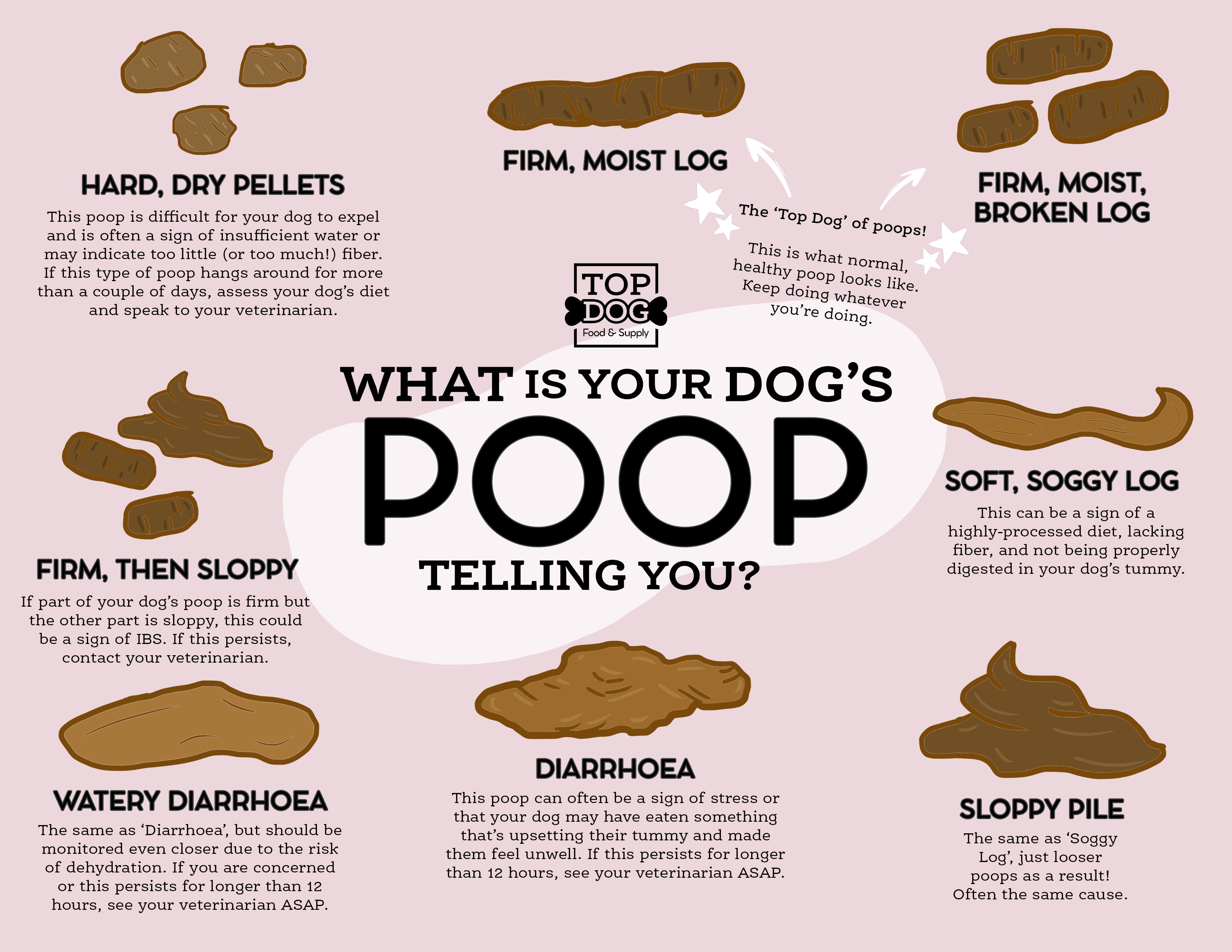
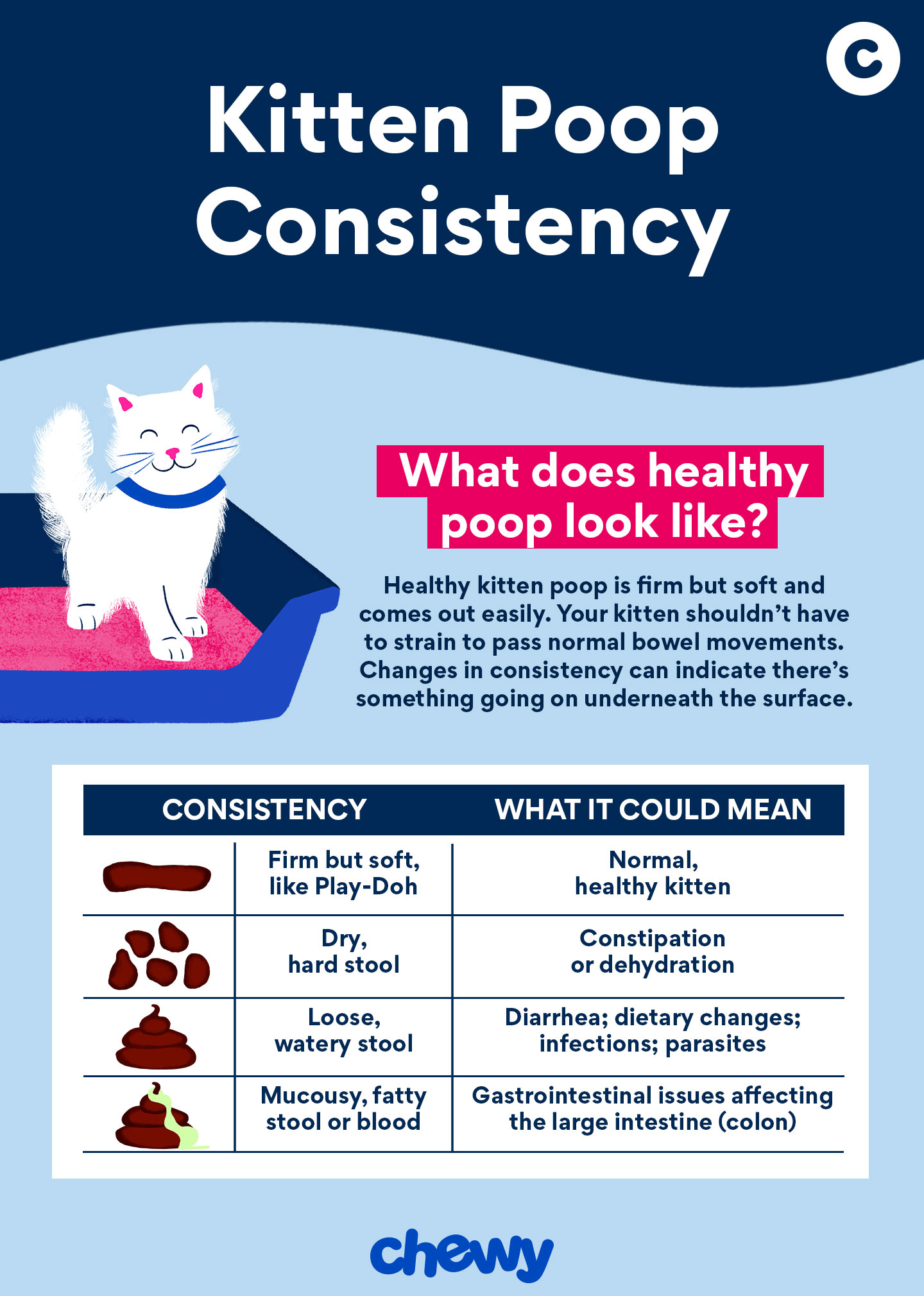
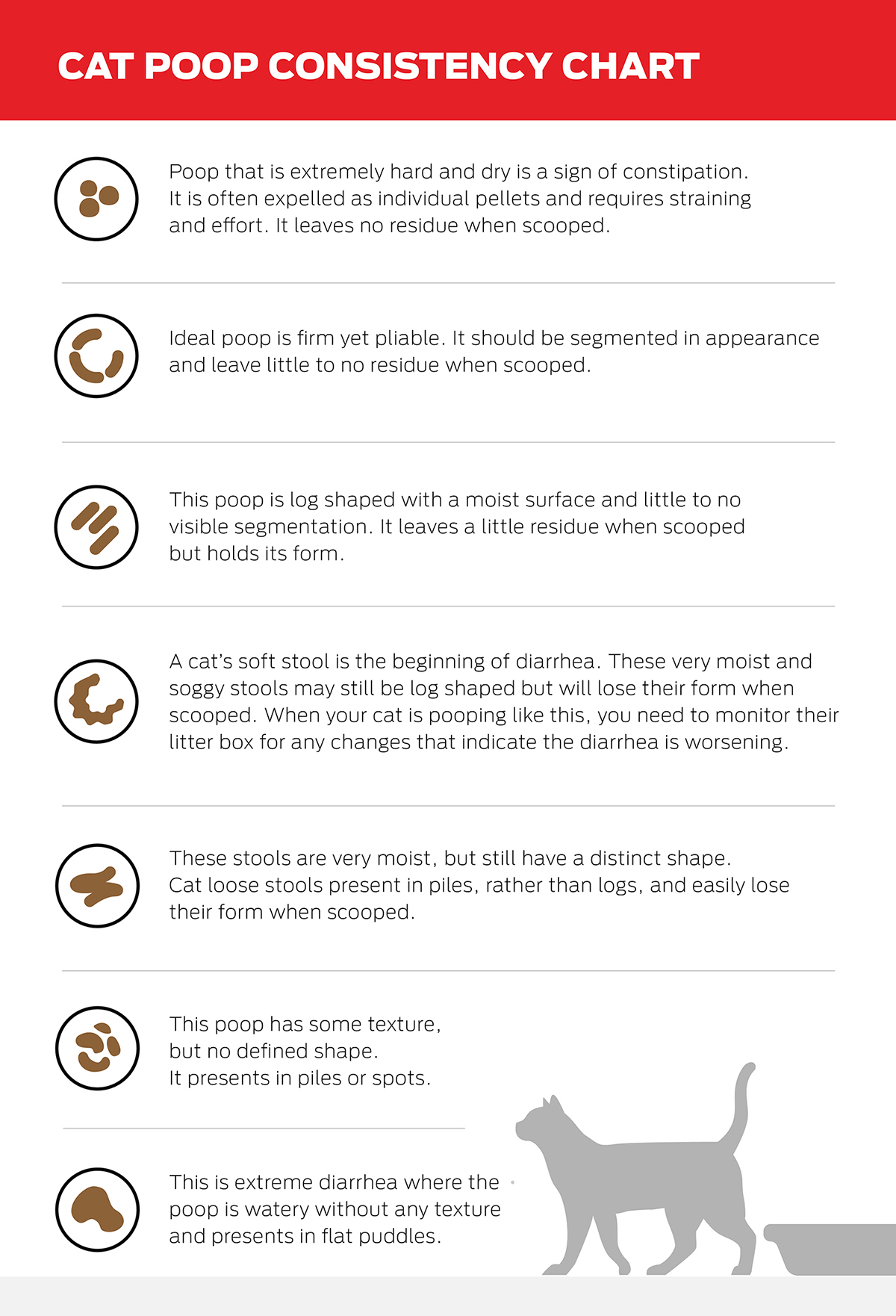
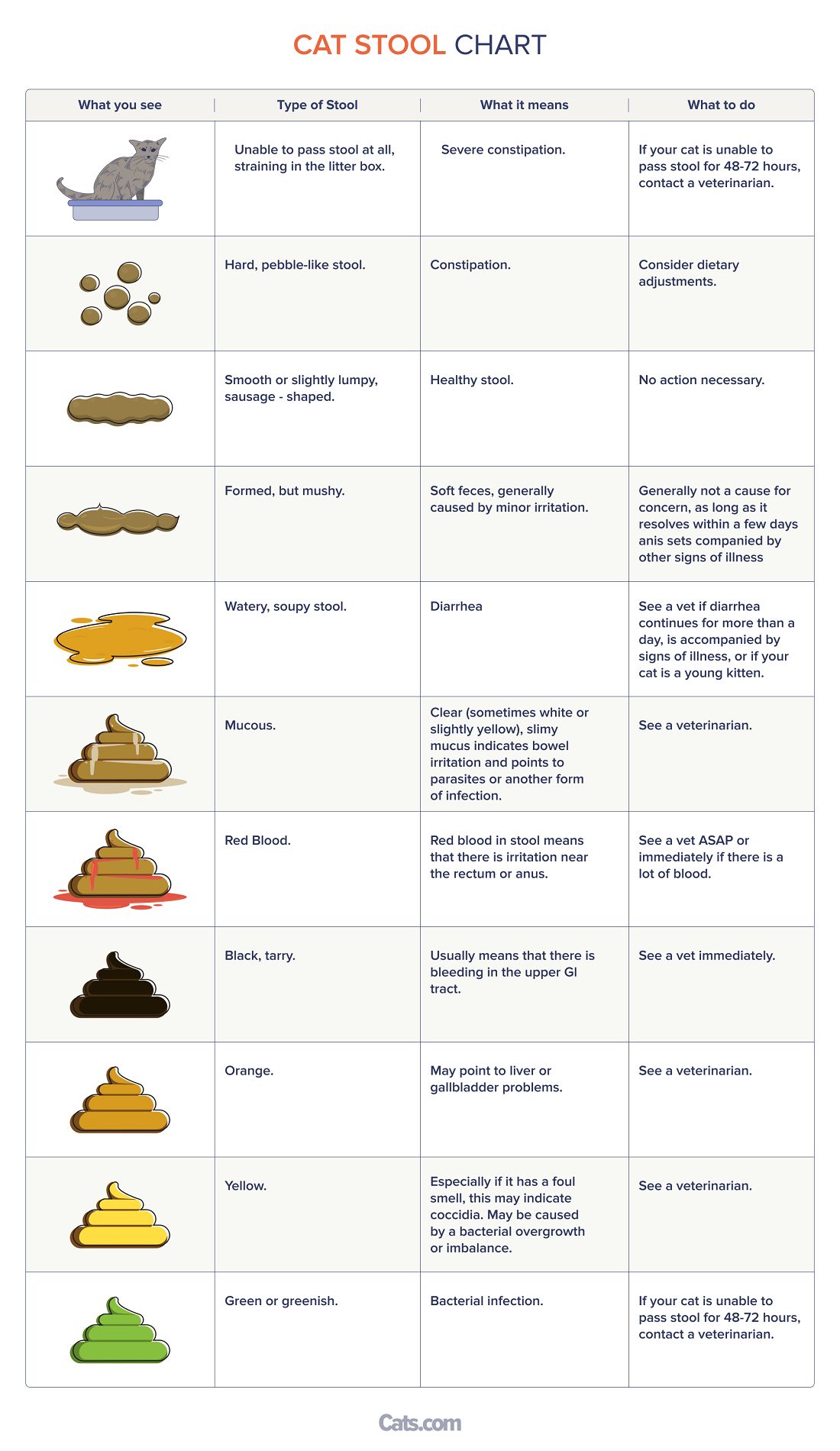
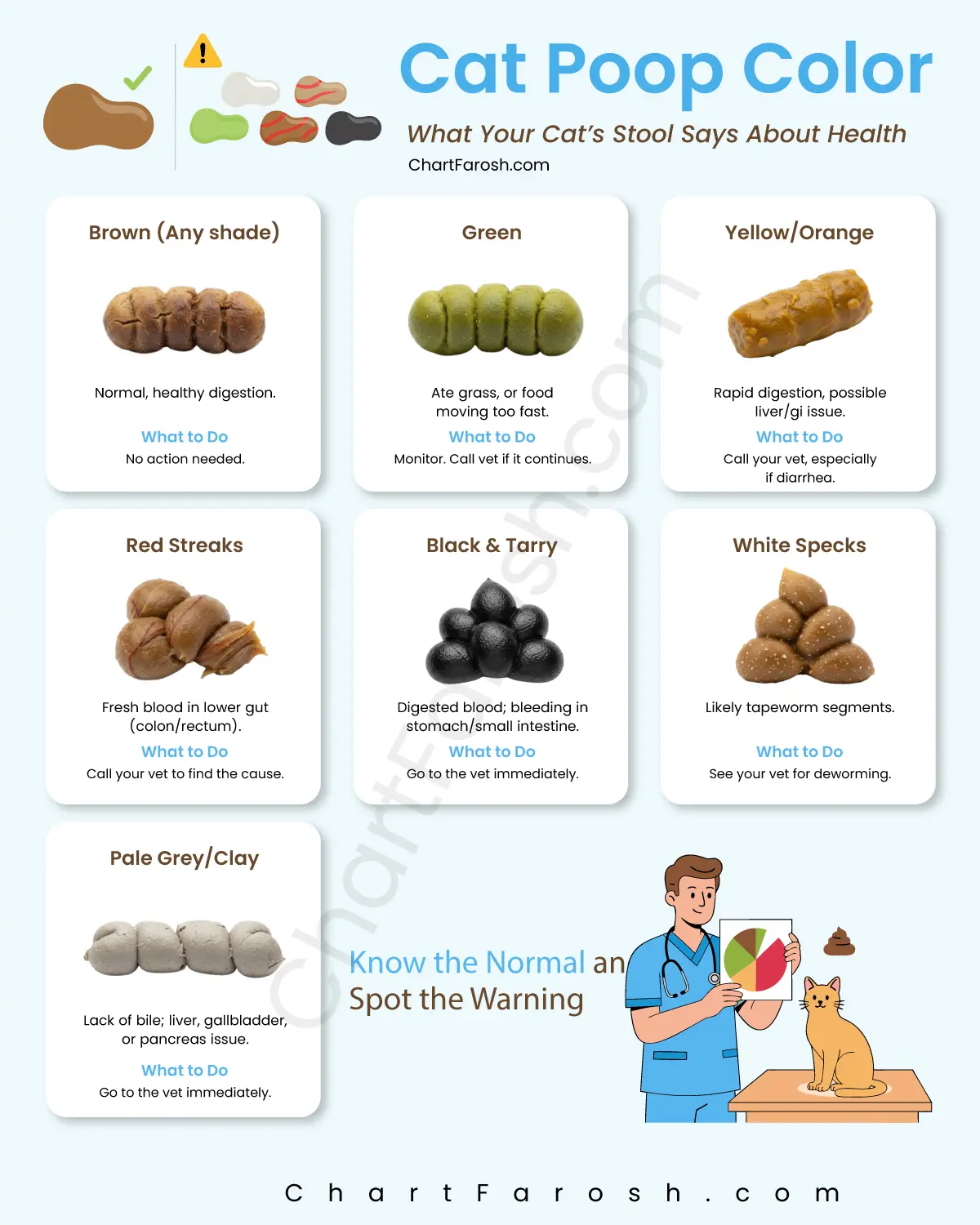
You're likely here because you've heard of the cat poop chart and are curious about what it entails. Perhaps you're a pet owner seeking a quick reference guide to understand your cat's health or maybe you're a veterinary professional looking for a reliable tool. This chart, also known as the feline stool scoring system, offers a simple yet effective way to monitor a cat's well-being. It provides a visual representation, often with a color-coded guide, to assess the consistency and color of cat feces, which can indicate potential health issues. While the specific values and formats may vary, the cat poop chart serves as a valuable resource for anyone seeking a straightforward method to keep an eye on their cat's health.
Understanding the Cat Poop Chart: A Practical Guide
The cat poop chart, also known as the feline stool scoring system, is a valuable tool for cat owners and veterinary professionals. It provides a visual guide to assess the consistency and overall appearance of cat feces, offering insights into a cat's digestive health. This chart is an essential reference for monitoring and maintaining your feline friend's well-being.
Comparing Chart Formats and Standards
There are several versions of the cat poop chart available, each with its own set of categories and standards. The most common formats include a 7-point scale and a 5-point scale. The 7-point scale provides a more detailed assessment, covering a broader range of stool consistencies, from very firm to liquid diarrhea. The 5-point scale is a simplified version, focusing on the key variations in stool appearance. Both formats are widely used and offer accurate assessments when applied correctly.
Step-by-Step Guide to Using the Chart
Using the cat poop chart is a straightforward process:
- Collect a fresh sample of your cat's feces. Ensure it is intact and not contaminated.
- Refer to the chart and identify the closest match to the sample's consistency and appearance.
- Note the corresponding score or category on the chart.
- Interpret the score: a lower score indicates healthier, well-formed stools, while higher scores may suggest digestive issues.
- Repeat this process regularly to monitor any changes over time.
Avoiding Misinterpretations and Pitfalls
While the cat poop chart is a reliable tool, misinterpretations can occur. Here are some common mistakes to avoid:
- Relying solely on color: The chart considers overall consistency and texture, so focus on these aspects rather than just color.
- Ignoring other symptoms: Changes in stool consistency may indicate an underlying issue. Observe your cat for any other signs of illness or discomfort.
- Overinterpreting: Remember, the chart is a guide. If you have concerns, consult a veterinarian for a professional assessment.
Key Factors Affecting Accuracy
Several factors can influence the accuracy of your assessment using the cat poop chart:
- Diet: Changes in your cat's diet can impact stool consistency. Ensure a consistent, high-quality diet to maintain stable results.
- Hydration: Adequate water intake is crucial. Dehydration can lead to firmer stools, so monitor your cat's water consumption.
- Stress and Environment: Stressful situations or changes in the cat's environment can affect digestion. Consider these factors when interpreting the chart.
- Medication: Certain medications may impact stool consistency. Be aware of any recent changes in your cat's medication.
Adapting the Chart for Specific Needs
The cat poop chart can be tailored to specific situations or individual cats. If your cat has unique dietary needs or medical conditions, you may need to adjust the chart's categories or scores. Consult with your veterinarian to determine the most suitable format and interpretation for your cat's specific health needs.
Maintaining Reliable Reference
To ensure the cat poop chart remains a reliable tool, consider the following:
- Regular Updates: Stay informed about any updates or revisions to the chart's standards. Veterinary organizations may release new versions, so keep your reference materials current.
- Consistent Observation: Observe your cat's stool regularly and note any significant changes. This helps you identify trends and potential issues early on.
- Professional Guidance: If you notice persistent changes or have concerns, seek advice from a veterinarian. They can provide expert interpretation and guidance.
By following these practical tips and understanding the key factors, you can effectively utilize the cat poop chart to monitor your cat's digestive health and ensure their overall well-being.
While the cat poop chart offers a valuable and practical tool, it's important to remember that variations can occur. Exact details may differ slightly based on the context and specific guidelines you follow. So, it's always a good idea to refer to reliable sources and adapt the chart to suit your needs.
Feel free to explore other guides and resources on our platform to uncover more helpful insights and practical tools. We've got a range of topics covered, so you can find the information you need with ease.