


White Heart Png Overview
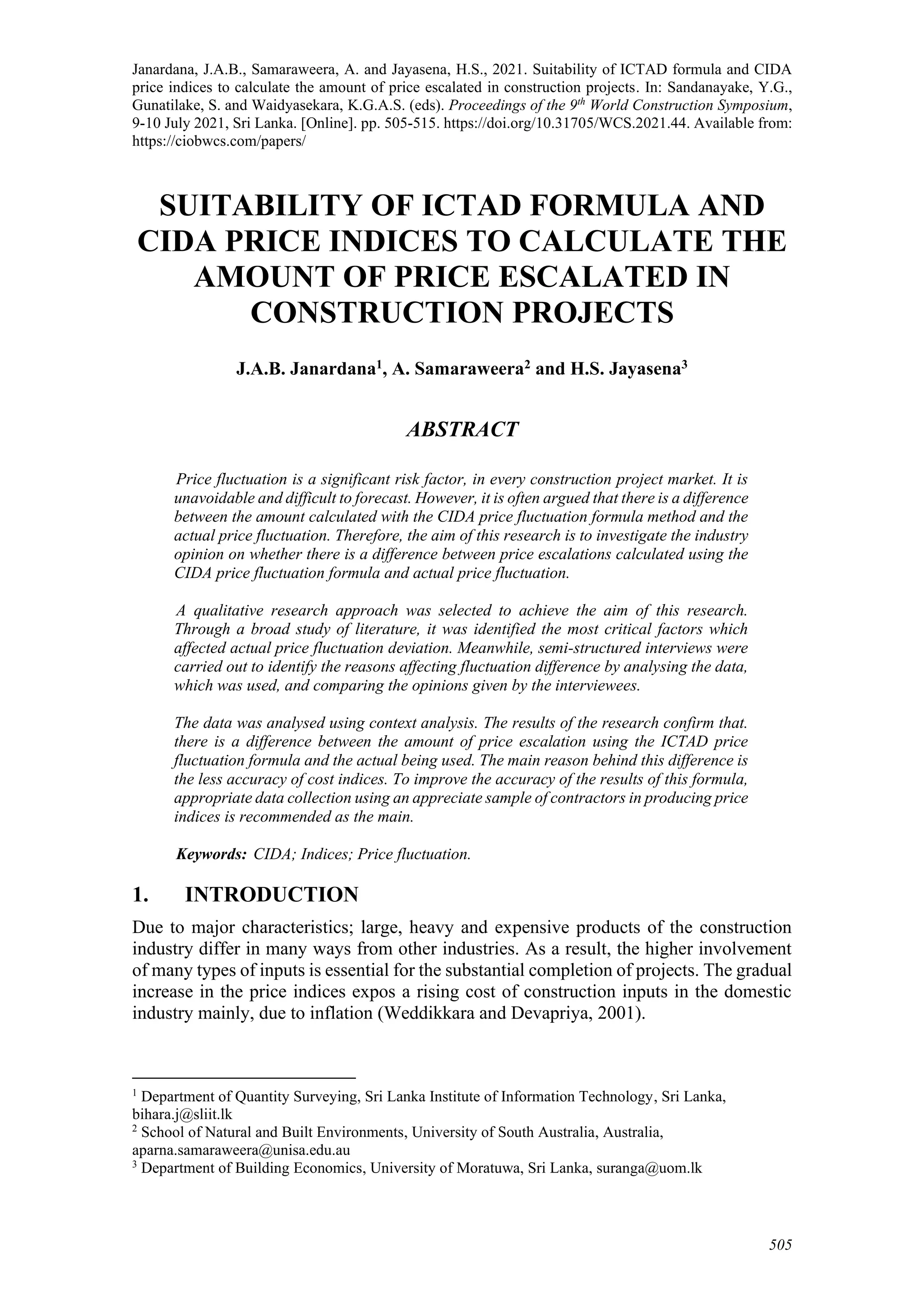
I've got a question for you: how do you keep track of those ever-changing construction costs? You know, the ones that seem to go up every time you turn around? Well, that's where the construction escalation calculator comes in handy! It's like a secret weapon for anyone in the building game, and I'm here to spill the beans on how it works.
Understanding Construction Escalation
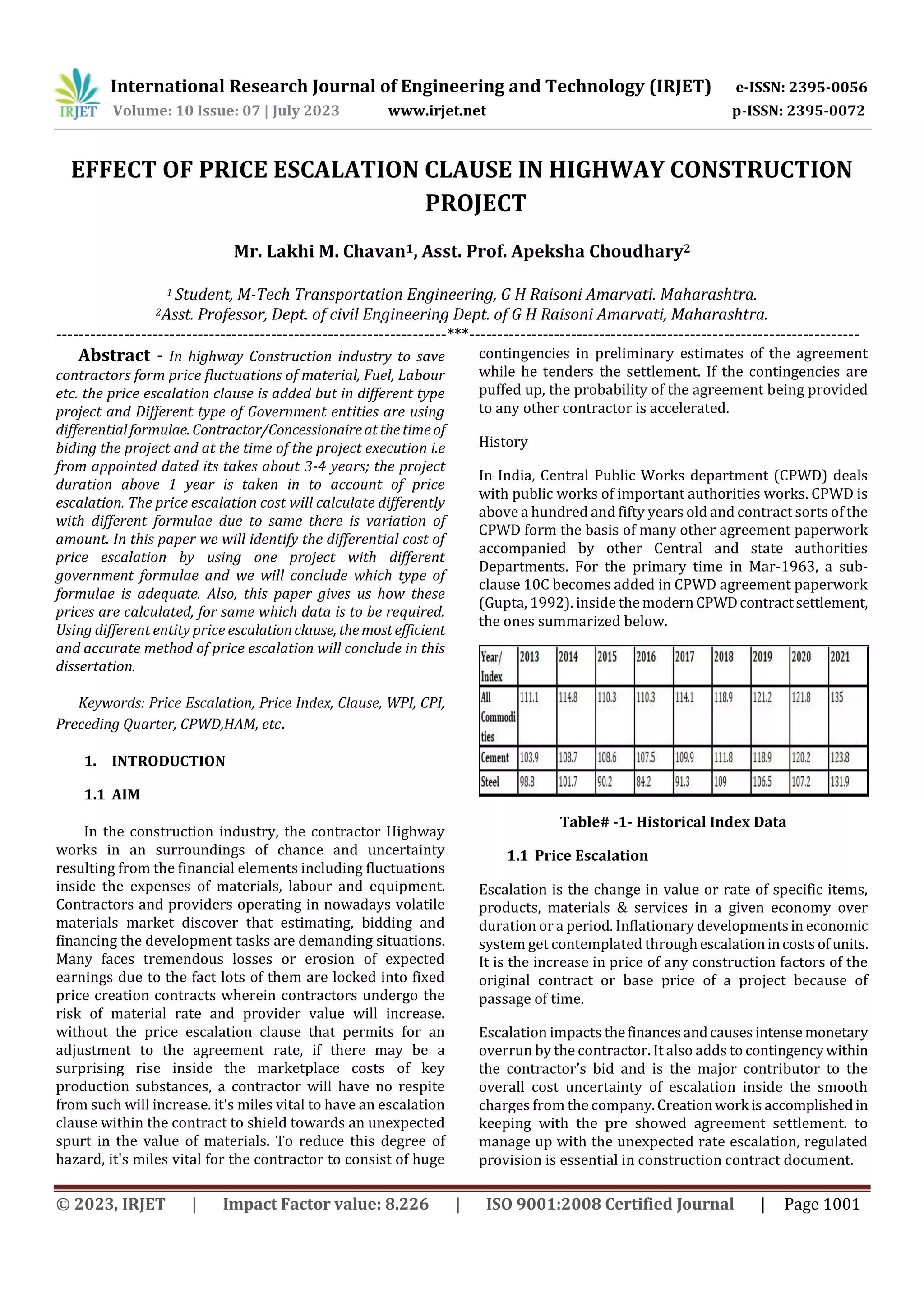
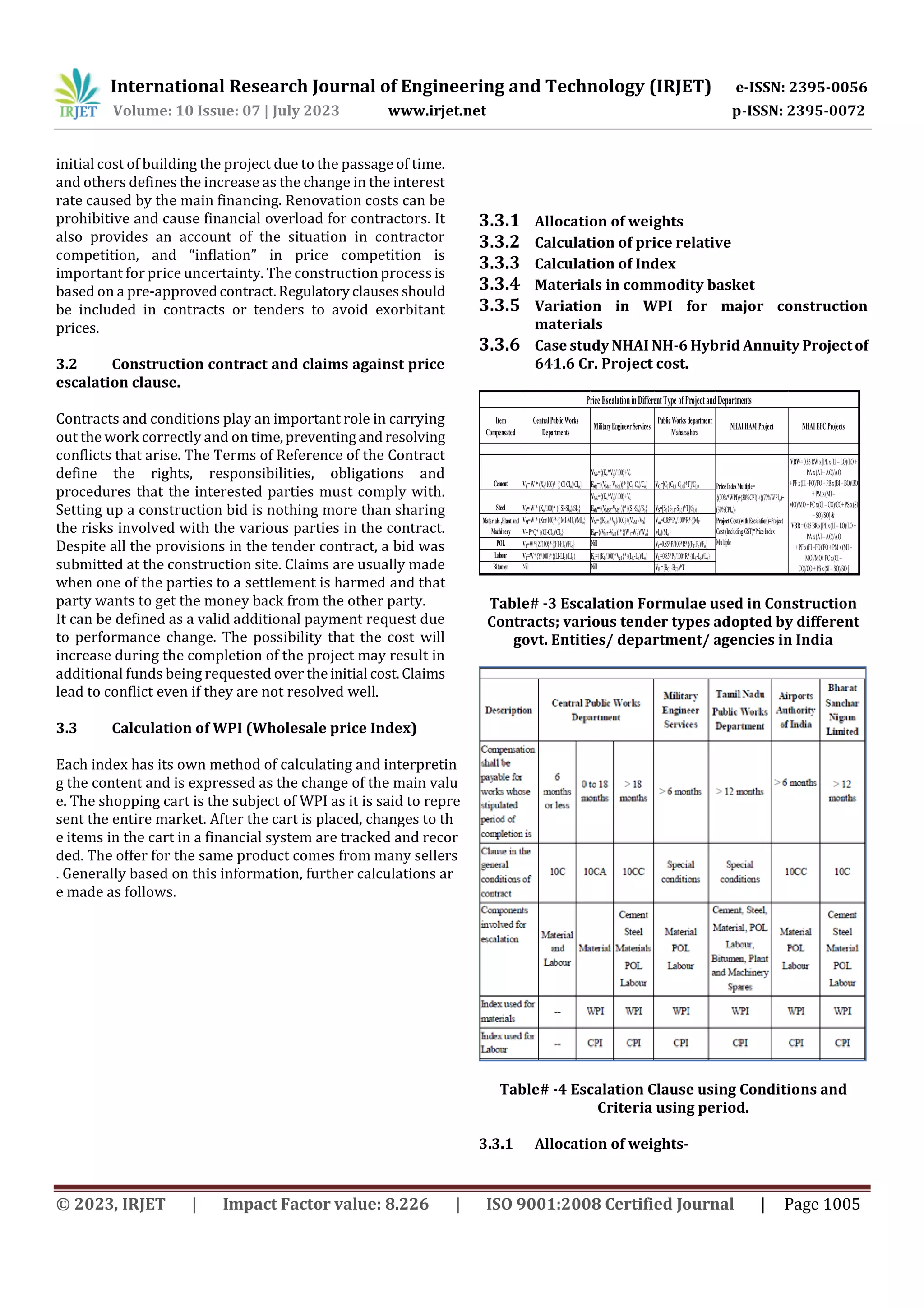
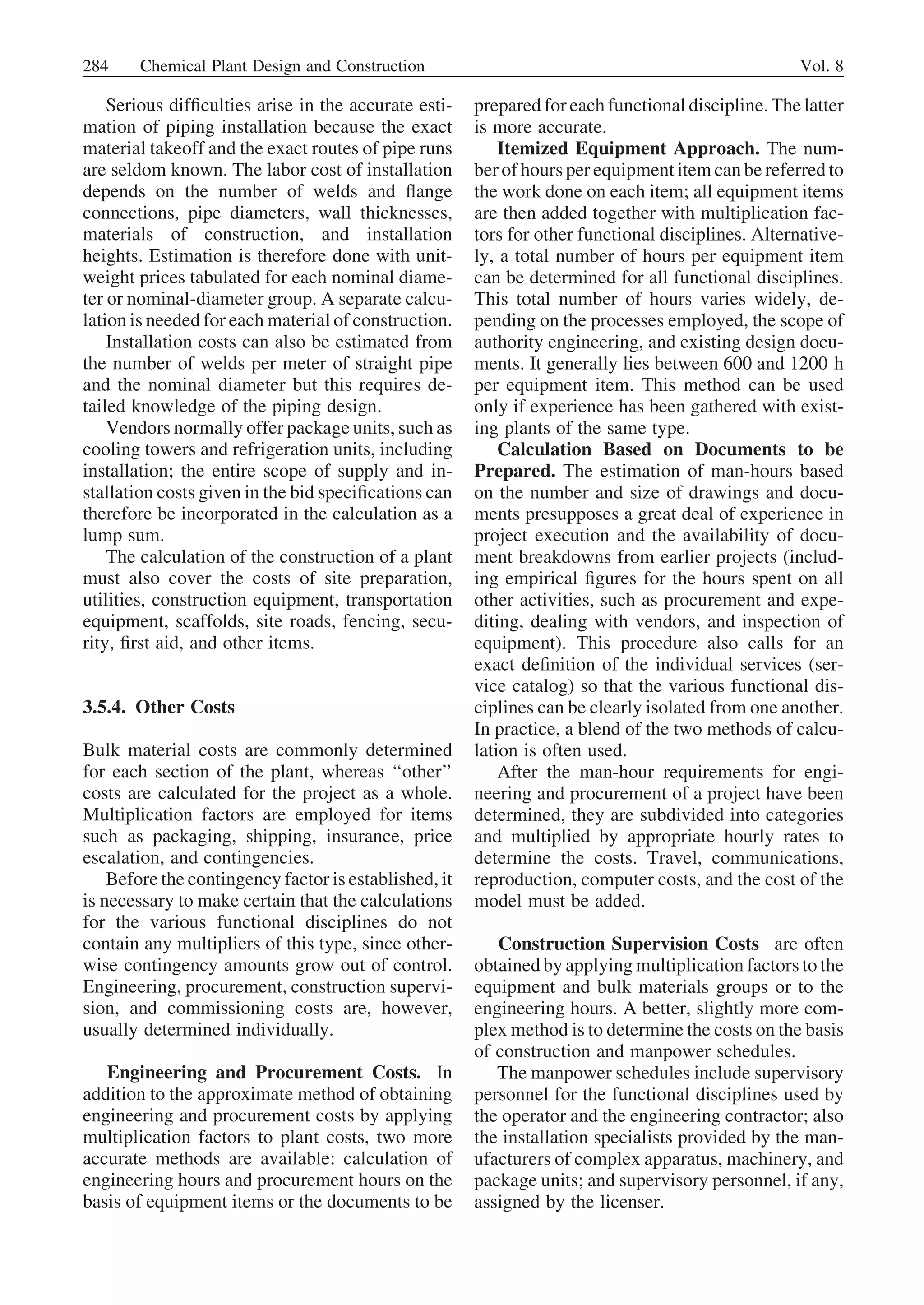
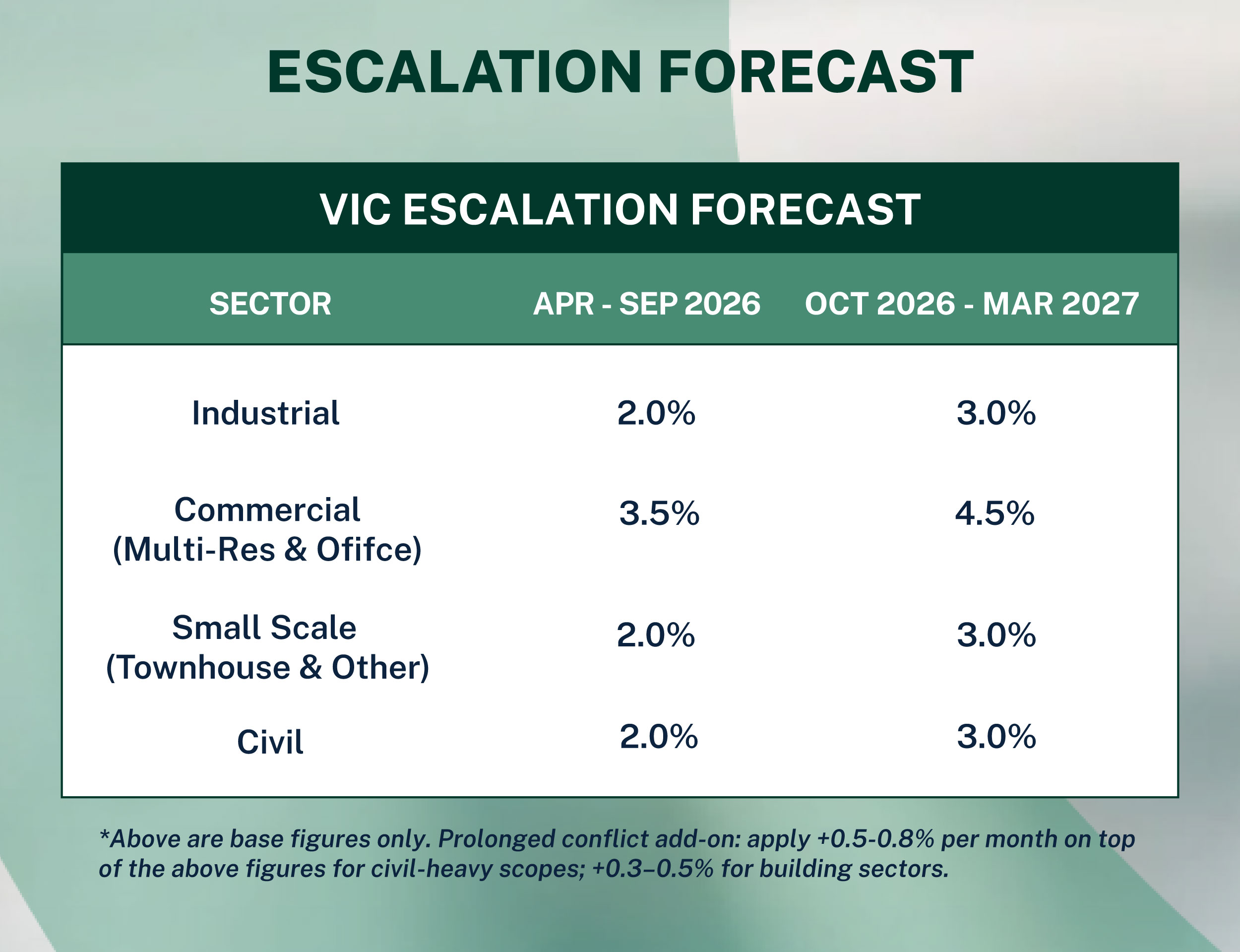
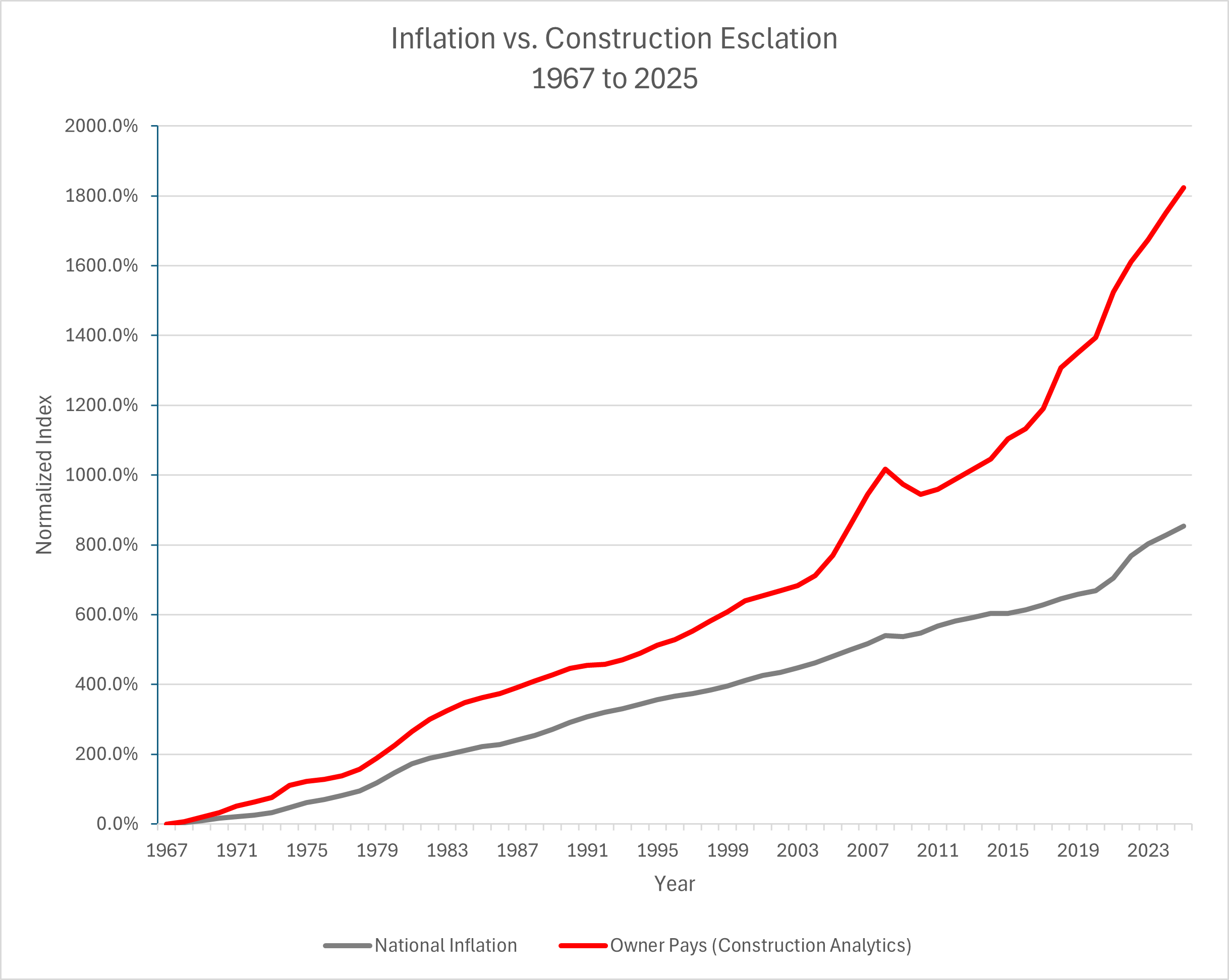
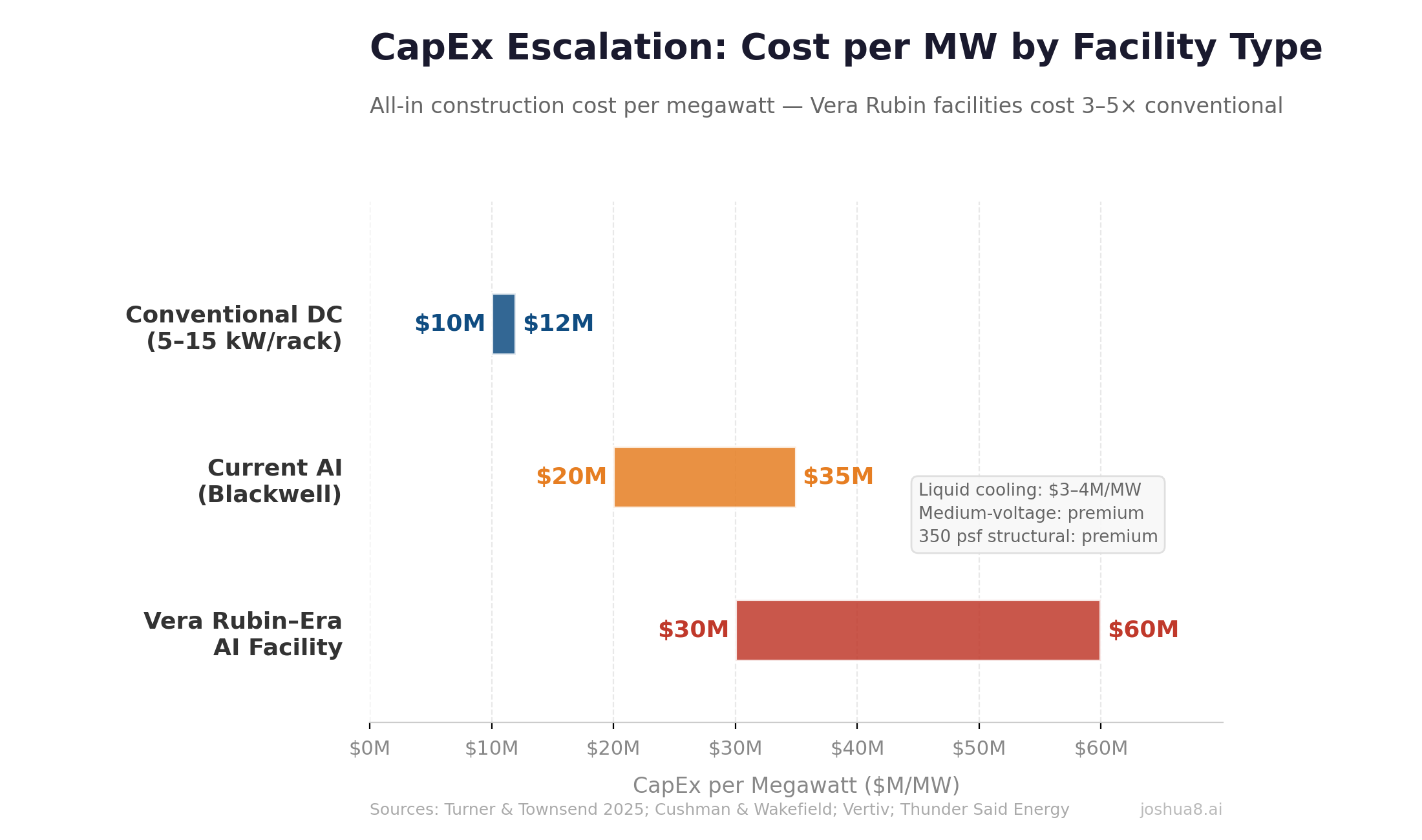
So, what's this construction escalation calculator all about? In a nutshell, it's a tool that helps you predict and manage the rising costs of construction projects. You see, things like materials, labor, and even the cost of living can change over time, and these changes can affect your budget. The calculator takes into account these potential increases, giving you a more accurate picture of what your project might cost in the future. It's a handy way to stay ahead of the game and avoid any nasty surprises down the line.
How It Works for You
The construction escalation calculator is a simple yet powerful tool. You input the current costs of your project, including materials, labor, and any other relevant expenses. Then, you choose an escalation rate, which is basically an estimate of how much costs might increase over time. This rate can vary depending on the project's duration and the market conditions. Once you've got your escalation rate, the calculator does its magic, giving you a projected cost for the future. This way, you can plan your budget and negotiate contracts with a clearer idea of what's to come.
Benefits for Contractors and Homeowners
For contractors, a construction escalation calculator is a lifesaver. It helps you provide more accurate quotes to clients, ensuring you don't undercut yourself. It also allows you to build a more reliable schedule, taking into account potential cost increases. As for homeowners or businesses planning renovations, this tool gives you a clearer idea of the overall cost of your project. You can use it to compare quotes from different contractors and ensure you're getting a fair deal. It also helps you plan your finances, so you're not caught off guard by unexpected expenses.
Naming Your Construction Business
If you're in the market for a catchy name for your construction business, you've got a few things to consider. First, think about what sets your company apart. Is it your specialty in certain types of projects, your unique approach, or maybe your commitment to sustainability? Your business name should reflect this. Keep it simple, memorable, and, if possible, a bit catchy. Here are a few ideas to get you started:
- BuildRight
- Green Construction Co.
- Solid Foundations
- Skyward Builders
- Renova Renovations
Remember, before you settle on a name, check its availability for domains and local registration. You don't want any legal headaches down the line!
Construction Jobs and the Industry
The construction industry offers a wide range of job opportunities, from general contractors and estimators to project managers and specialists in various trades. Estimators, for example, are crucial in putting together accurate quotes and managing costs. They work closely with project managers and clients to ensure the financial side of things runs smoothly. If you're looking for construction jobs, online job boards and industry-specific websites are great places to start. You can also check with local construction companies or reach out to recruitment agencies that specialize in the industry.
The Big Picture: Industry Outlook
When it comes to the construction industry, size matters. Larger firms often have the resources to take on bigger projects and may have more specialized departments, like dedicated cost-estimating teams. They might also have access to better deals on materials and equipment due to their scale. However, smaller companies can offer more personalized service and may be more flexible in their approach. They might be better suited to smaller-scale projects or those with unique requirements. It's all about finding the right fit for your needs.
In conclusion, the construction escalation calculator is a valuable tool for anyone involved in the building industry. It helps you plan, budget, and stay ahead of those pesky cost increases. Whether you're a contractor or a homeowner, it's a simple yet effective way to keep your projects on track. So, the next time you're tackling a construction project, remember to give this calculator a try! It might just save you some headaches down the line.
Related: What is the vocal ranges chart?
Many people mistakenly believe that vocal ranges charts are complex and intimidating, but in reality, they are a simple and powerful tool for singers and vocal enthusiasts. These charts, often presented as visual guides, provide a clear overview of the different voice types and their respective ranges. While the specifics may vary slightly depending on the source, the vocal ranges chart serves as an accessible reference, helping singers navigate and understand their vocal potential.
Understanding the Chart: An Overview
The vocal ranges chart is a handy reference tool for singers and vocal enthusiasts. It provides a visual representation of the different vocal ranges, helping you identify and understand your voice type and its capabilities. This chart is a great starting point for anyone wanting to explore their singing potential and improve their vocal technique.
Comparing Voice Types and Ranges
The chart typically categorizes vocal ranges into several standard types, including soprano, mezzo-soprano, alto, tenor, baritone, and bass. Each category has a specific range of notes, shown as a visual scale, that defines the voice's capabilities. For instance, a soprano voice, often associated with higher pitches, has a range that extends to the higher end of the scale.
How to Read and Use the Chart
Using the vocal ranges chart is straightforward:
- Identify your voice's general range by singing through a scale or using a pitch-detecting app.
- Locate your lowest and highest comfortable notes.
- Refer to the chart and match your range with the closest vocal type.
- Use this information to choose songs that suit your voice and explore your vocal potential.
For example, if your range aligns with the soprano category, you'll know you can comfortably sing higher-pitched songs.
Common Misconceptions and Pitfalls
One common mistake is assuming that the chart provides an exact, rigid definition of your voice type. In reality, vocal ranges can overlap, and some voices may not fit neatly into one category. It's essential to understand that the chart is a guide, and your voice may have unique characteristics that set it apart. Additionally, factors like age, training, and vocal health can influence your range, so regular assessment is beneficial.
Factors Affecting Accuracy and Real-World Use
Several key factors can impact the accuracy of the vocal ranges chart and its real-world application:
- Age and Development: Vocal ranges can change as you age, especially during puberty and early adulthood.
- Training and Practice: Consistent vocal training can expand your range and improve your technique.
- Vocal Health: Illness, strain, or damage to the vocal cords can temporarily alter your range.
- Musical Style and Genre: Different music genres may require specific vocal ranges or techniques.
Adapting the Chart for Specific Needs
While the standard vocal ranges chart is a great starting point, it might not cater to everyone's needs. For instance, some charts provide more detailed subdivisions for specific voice types, offering a more precise guide. Others might use different measurement systems or cater to non-traditional vocal styles. It's essential to choose a chart that aligns with your musical goals and preferences. If you're unsure, consulting a vocal coach or expert can provide valuable guidance.
Hey there! I hope this vocal ranges chart guide has been a helpful tool for you. Remember, these charts are a great reference, but they are not set in stone; the exact details might differ slightly based on your specific needs and the context.
Feel free to explore other guides and resources to deepen your understanding. And don't forget to bookmark this page for future reference; it's always handy to have these tools at your fingertips!
Related: How to read a newborn size chart?
Many new parents might assume that all newborns are the same size, but that's not quite true! While it's a common misconception, the reality is that newborn size charts actually vary quite a bit.
These charts, which include details like birth weight percentiles and infant head circumference, are a handy tool to understand a baby's growth and development. They provide a simple, visual way to track and compare a newborn's size and can help parents and healthcare professionals ensure a baby is growing as expected. It's worth noting that these charts may differ based on various factors, so it's always best to consult a healthcare professional for personalized guidance.
The Newborn Size Chart: A Quick Overview
The newborn size chart is a handy tool for parents and caregivers to understand and track a baby's growth and development during their first few weeks of life. It provides a visual representation of a baby's typical measurements, including length, weight, and head circumference, and helps identify any potential concerns. This chart is a great reference for new parents, offering a simple way to monitor their baby's progress.
Comparing Standards and Formats
There are different standards and formats for newborn size charts, depending on the region and medical guidelines. The most common ones are based on international or metric standards, which are widely used and accepted globally. These charts typically use centimeters (cm) for length and weight measurements and provide a comprehensive view of a baby's growth. Some charts may also include additional details, such as body mass index (BMI) or specific growth percentiles.
Step-by-Step Guide to Using the Chart
Using a newborn size chart is straightforward:
Obtain a reliable chart from a trusted source, such as a healthcare provider or a reputable online resource. Ensure it follows the appropriate standard for your region.
Measure your baby's length, weight, and head circumference accurately. For length, place your baby on a flat surface and gently stretch them out, measuring from the top of the head to the heel. Weigh your baby on a scale designed for infants. Head circumference is measured using a tape measure, just above the eyebrows and around the largest part of the head.
Locate the corresponding values on the chart. The chart typically has age or week ranges on one axis and measurement values on the other. Find the appropriate age range and then identify the value that matches your baby's measurement.
Interpret the results. The chart will show percentiles, indicating where your baby's measurements fall in comparison to other babies of the same age. A percentile of 50% is considered average, while values above or below indicate a larger or smaller size, respectively.
Track progress over time. Repeat these measurements regularly (weekly or monthly) and plot the results on the chart to visualize your baby's growth pattern. This helps identify any significant deviations or concerns.
Common Misreadings and Pitfalls
It's important to note that newborn size charts are general guidelines and may not represent every baby's growth accurately. Here are some common misreadings and how to avoid them:
Interpreting Percentiles: Percentiles don't indicate a baby's health or development; they simply show where a measurement falls in comparison to others. A lower percentile doesn't necessarily mean a problem, as long as the baby is healthy and growing consistently.
Aging Out of the Chart: Some charts have limited age ranges. If your baby is older than the chart's maximum age, you may need to consult a different chart or discuss with your healthcare provider.
Measuring Inaccurately: Always use proper measuring techniques to ensure accurate results. Inconsistent or incorrect measurements can lead to misleading interpretations.
Factors Affecting Accuracy
Several factors can influence a baby's growth and, consequently, their position on a newborn size chart:
Genetics: A baby's size can be influenced by their parents' height and build.
Nutrition: Adequate nutrition is crucial for healthy growth. Breastmilk or formula provides the necessary nutrients, but solid food introduction can also impact growth patterns.
Health Conditions: Certain medical conditions or premature birth can affect a baby's growth. Consult your doctor if you have concerns.
Gender: On average, baby girls tend to be slightly smaller than baby boys, but this varies widely.
Choosing the Right Chart for Your Needs
While standard newborn size charts are widely available and useful, some parents may require more specialized charts. Here are a few variations:
Premature Baby Charts: If your baby was born prematurely, a specialized chart may be more accurate for tracking their growth.
International Charts: If you're traveling or living abroad, ensure you have a chart that follows the local standard.
Growth Charts for Specific Concerns: In some cases, doctors may recommend specialized charts to monitor a baby with a specific health condition or growth concern.
Remember, while newborn size charts are valuable tools, they should be used as a guide, and any concerns should be discussed with a healthcare professional.
Hey there, we hope this guide has given you a clear understanding of newborn size charts and their practical use. Remember, while the basics remain the same, exact details can vary slightly, so always refer to reliable sources and adapt to your specific needs.
Feel free to explore our other guides for more insights and tips on various parenting topics. We've got a range of resources to help you navigate this exciting journey, so take a look and find what resonates with you!