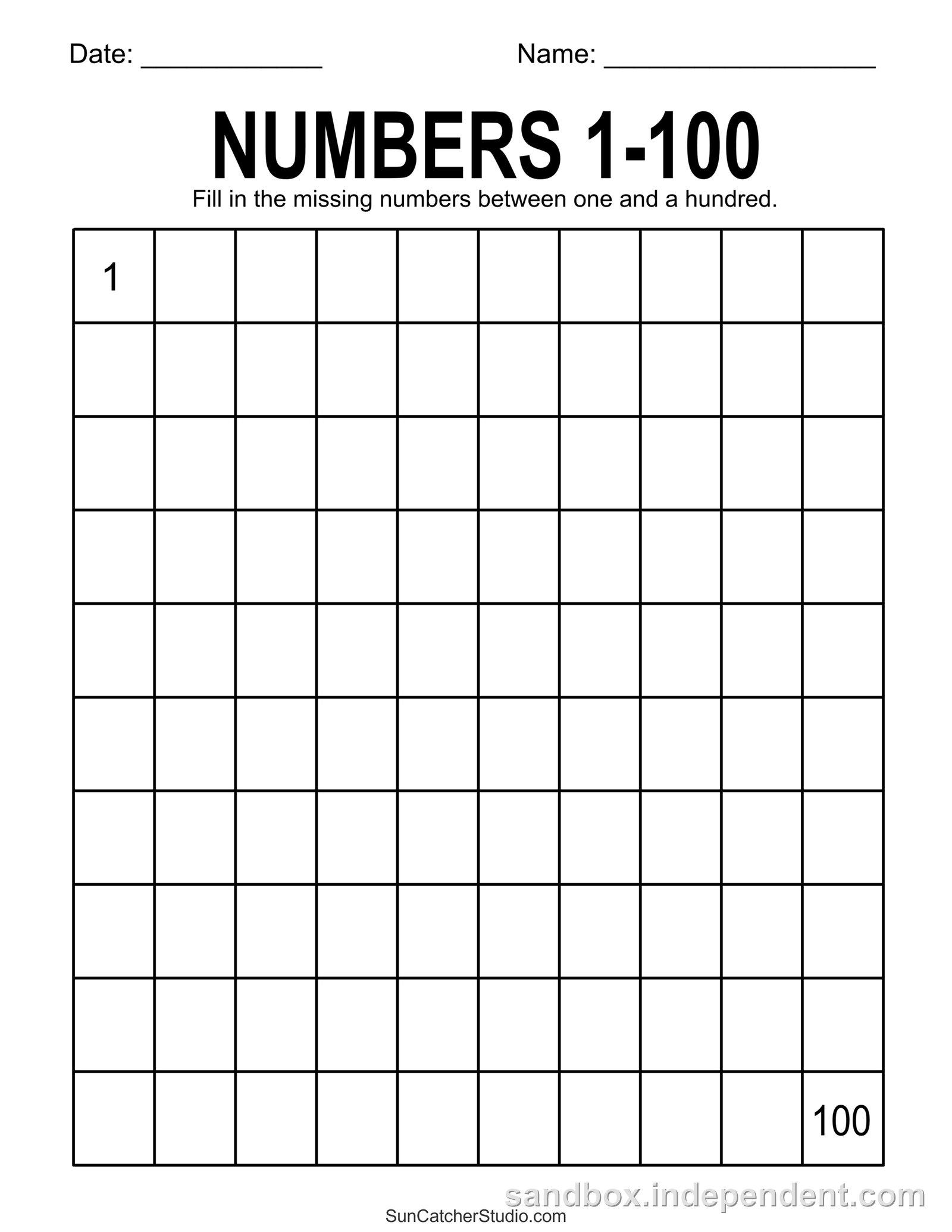




100 Number Chart Black And White Overview
You're here, searching for a tattoo size chart, probably to get a clear idea of what you want and how to communicate it effectively to your artist. It's a smart move, as these charts are a great way to visualize and understand tattoo sizes, especially when you're planning your next ink adventure. While the exact values may vary depending on the artist or region, the tattoo size chart provides a reliable starting point, offering a simple guide to standard tattoo dimensions.
Understanding the Tattoo Size Chart
The tattoo size chart is your go-to guide for figuring out the dimensions of different tattoo designs. It's like a roadmap, helping you navigate the world of tattoo sizes and understand what each measurement means. This chart is a handy tool, especially when you're planning your next tattoo and need to visualize how big or small it will be on your body.
Comparing Chart Formats and Standards
There are a few different ways to present a tattoo size chart, and the format can vary depending on the source. Some charts use a simple table with columns for size categories and corresponding measurements, while others might display a range of designs with their dimensions noted. The units of measurement can also differ; you'll often find charts using either imperial (inches) or metric (centimeters) systems. It's essential to know which standard is being used to ensure accurate readings.
Practical Size Suggestions and Measuring Tips
Using a tattoo size chart is straightforward, but there are a few steps to ensure you're getting the most accurate information. First, identify the category or design you're interested in. Then, locate the corresponding measurement. If the chart uses a range, you can decide on a specific size within that range based on your preferences. Remember, these charts often provide a general guide, so it's a good idea to discuss your desired size with your tattoo artist, who can offer expert advice and ensure the design fits perfectly on your body.
Common Misreadings and How to Avoid Them
It's easy to misinterpret a tattoo size chart, especially if you're not familiar with the standard being used. Always double-check the units of measurement to ensure you're reading the chart correctly. For instance, if you're used to thinking in inches but the chart uses centimeters, your interpretation of the size could be off. Additionally, some charts might not provide exact measurements but rather a range. In these cases, it's best to consult with a professional to get a precise idea of the tattoo's dimensions.
Hey there, we hope this tattoo size chart guide has given you a clear and simple overview of your options. Remember, the exact details may differ slightly, so always double-check your sources and measurements.
This is a handy reference to keep bookmarked for future ink adventures! Whether you're a tattoo enthusiast or just curious about the process, we've got more guides to explore. So, feel free to dive into our other content and keep learning.
Related: A Clear Plot Anchor Chart Guide
A plot anchor chart is a valuable tool for writers and storytellers, offering a visual roadmap to navigate the intricate journey of crafting a narrative. This guide will provide an overview of these charts, their purpose, and how they can enhance your understanding of story structure.
These charts serve as a reference, presenting the key elements of a plot in a clear and concise manner. While the specific format and content may vary, the plot anchor chart's primary goal remains consistent: to provide a snapshot of the narrative's journey, from its initial spark to its satisfying conclusion.
Plot Anchor Chart: A Visual Guide to Storytelling
The plot anchor chart is a valuable tool for writers and storytellers, offering a visual representation of the key elements that drive a narrative. This chart provides a structured overview, helping to identify and organize the essential components of a story's plot. By using this chart, writers can ensure their stories have a solid foundation and a clear direction.
Common Plot Structures and Their Variations
The plot anchor chart typically presents several common plot structures, such as the three-act structure, the hero's journey, and the five-act structure. Each structure has its own unique flow and emphasis, offering different approaches to storytelling. These structures provide a framework for writers to follow, but they can also be adapted and combined to create unique narratives.
Creating Engaging Narratives: A Step-by-Step Guide
- Start by identifying the main plot points: introduction, rising action, climax, falling action, and resolution. These points form the backbone of your story.
- Use the plot anchor chart to visualize and connect these plot points, ensuring a logical flow and building tension.
- Add depth to your narrative by incorporating subplots and character arcs. These elements enrich the story and provide opportunities for character development.
- Consider the pacing and intensity of your story. Adjust the placement and emphasis of plot points to create a balanced and engaging narrative.
- Review and refine your story structure, ensuring it aligns with your chosen plot structure and meets the expectations of your audience.
Avoiding Common Misreadings and Pitfalls
While the plot anchor chart is a powerful tool, it's important to remember that it is a guide, not a strict formula. Misinterpreting the chart can lead to stories that feel formulaic or lack originality. To avoid this, ensure you understand the underlying principles and use the chart as a flexible framework. Adapt it to your story's needs and don't be afraid to deviate from the standard structures if it serves your narrative better.
Factors Affecting Accuracy and Real-World Application
The accuracy of the plot anchor chart depends on several factors. Firstly, the chart's effectiveness varies depending on the complexity of the story and the writer's experience. More intricate stories may require a deeper understanding of narrative techniques. Additionally, the chart's applicability can differ based on the genre and target audience. What works for a thriller might not suit a romantic comedy. It's crucial to consider these factors and tailor your story's structure accordingly. Always refer to established narrative techniques and seek feedback to refine your story's structure and ensure its impact.
While the specifics of your plot anchor chart may differ slightly based on your unique needs and the standards or sources you follow, the key elements and steps outlined in this guide should provide a solid foundation. Remember, having a well-organized reference like this can make a world of difference in your work, ensuring clarity and consistency.
Feel free to bookmark this page for future reference, and explore our other guides for more practical tips and insights. We aim to provide straightforward, helpful resources, so you can always find the information you need, when you need it.
Related: How to Read a Dental Tooth Chart?
You're probably here because you need a quick answer, a simple guide to help you navigate the world of dental tooth charts. These charts are a handy tool, a quick reference guide, and an essential part of dental anatomy. Whether you're a dental professional or a curious individual, understanding the tooth numbering system is key. The dental tooth chart can vary slightly depending on the system used, so it's a good idea to familiarize yourself with the specific notation.
What is a Dental Tooth Chart?
A dental tooth chart is a handy tool that dentists and dental professionals use to identify and locate teeth accurately. It provides a visual representation, often a diagram or table, to help with tooth identification and record-keeping. This chart is crucial for dental procedures, treatment planning, and maintaining dental records.
Key Details and Categories to Know
The dental tooth chart typically follows standardized numbering systems, ensuring consistency across dental practices. Two common systems are the Universal Numbering System (used in the US) and the Palmer Notation (popular internationally). These systems assign unique numbers or symbols to each tooth, aiding in precise identification. The chart also includes information on tooth type, position, and any relevant notes.
How to Read and Apply the Dental Tooth Chart
Reading a dental tooth chart is straightforward. Here's a step-by-step guide:
- Locate the tooth: Identify the tooth you want to reference on the chart. This could be based on a patient's description, a visual examination, or a previous record.
- Find the corresponding number: Each tooth on the chart is assigned a specific number or symbol. Match the tooth with its corresponding number.
- Record and communicate: Note down the tooth number for your records. When communicating with other dental professionals or referring to patient records, use this number to ensure clarity and accuracy.
- Cross-reference: If needed, you can cross-reference the tooth number with other dental charts or diagrams for a more comprehensive understanding of the tooth's position and characteristics.
Common Variations and Differences
While standardized systems exist, variations can occur due to different regional practices and preferences. For instance, the Universal Numbering System used in the US differs from the international Palmer Notation. Additionally, some dental practices or specialists may use modified charts tailored to their specific needs. It's essential to be aware of these variations, especially when consulting or referring to charts from different sources.
Mistakes to Avoid
One common mistake is assuming all dental charts follow the same system. Always double-check the numbering system used on the chart you're referencing. Another pitfall is misinterpreting tooth positions, especially when dealing with complex cases or unusual tooth arrangements. Taking the time to understand the chart's layout and seeking clarification when needed can prevent errors.
Practical Tips for Accurate Results
To ensure accuracy when using a dental tooth chart, consider these best practices:
- Familiarize yourself with the numbering system used in your region or practice.
- Cross-reference tooth numbers with other dental resources to confirm their positions and characteristics.
- Stay updated with any changes or modifications to the standard numbering systems.
- When in doubt, consult with experienced dental professionals or refer to comprehensive dental anatomy resources.
Handling Edge Cases and Exceptions
While dental tooth charts provide a valuable framework, there are instances where exceptions or unique cases may arise. For example, individuals with congenital dental anomalies or those who have undergone extensive dental work may have tooth arrangements that don't align perfectly with standard charts. In such cases, it's crucial to consult detailed dental records, X-rays, or seek expert advice to ensure accurate tooth identification.
So, there you have it! A simple and practical guide to understanding and using dental tooth charts. Remember, while this guide provides a solid foundation, it's always wise to consult with dental professionals for personalized advice. The exact values and terminology can vary, so it's crucial to double-check the specific standards and sources relevant to your context.
Feel free to explore our other resources for more insights into dental health and care. We've got plenty of guides to help you navigate the world of oral hygiene and keep those pearly whites shining bright!