

Auburn Depth Chart 2026 Overview
A thunder depth chart is a valuable tool for basketball enthusiasts and analysts, offering a concise snapshot of a team's player lineup and their roles. This guide will navigate you through the ins and outs of reading and interpreting these charts, ensuring you can quickly grasp the information they present. From the thunder roster to the oklahoma city thunder lineup, these charts provide an essential overview, allowing you to understand player positions and the starting five with ease.
Understanding the Thunder Depth Chart
The Thunder depth chart is a valuable tool for basketball enthusiasts and analysts, offering a comprehensive overview of the Oklahoma City Thunder's roster and player positions. It provides a visual representation of the team's lineup, helping fans and experts grasp the strategic makeup of the team.
Key Details and Categories
This chart typically displays the Thunder's players in a hierarchical structure, with the starting five at the top and subsequent players in descending order of their roles. The positions are labeled clearly, such as point guard, shooting guard, small forward, power forward, and center. Alongside each player's name, you'll find their jersey number and sometimes additional stats or roles they excel in.
Reading the Lineup: A Step-by-Step Guide
Begin by identifying the starting five. These players are usually the team's top performers and the first choice for the coach. They are listed at the top of the chart, with their positions clearly marked.
Below the starting five, you'll find the bench players. These are the substitutes, often arranged in a way that reflects their potential impact or the strategies they might be used for. For instance, a player known for their defensive skills might be listed higher, indicating they are a preferred choice for defensive substitutions.
Pay attention to the player positions. The Thunder depth chart will typically use standard basketball positions, but it's essential to understand these roles: point guard (PG), shooting guard (SG), small forward (SF), power forward (PF), and center (C). Each position has unique responsibilities and skills.
Compare players within their positions. The chart allows you to quickly assess the depth and talent within each role. You can identify the team's strengths and weaknesses by comparing the stats or skills of players in the same position.
Note any special roles or skills listed. Some charts might include additional information, such as a player's ability to handle the ball, shoot three-pointers, or their defensive prowess. These details provide a more comprehensive understanding of the team's strategic options.
Variations and Differences
The Thunder depth chart, like any other sports lineup, can vary based on several factors. These include the coach's strategy, player injuries or suspensions, and even the specific opponent the Thunder are facing. Different coaches may have unique preferences for player rotations and substitutions, leading to variations in the depth chart's structure.
Common Mistakes and How to Avoid Them
One common mistake is assuming that the depth chart remains static throughout the season. It's crucial to keep an eye on updates, as player performances, injuries, and trades can lead to frequent changes. Another pitfall is overlooking the strategic intent behind the chart. While it provides a clear lineup, understanding the coach's reasoning behind certain player placements adds depth to your analysis.
Practical Tips for Accurate Results
To ensure you're working with the most accurate Thunder depth chart, consider the following:
- Check for recent updates, especially before each game.
- Compare multiple sources to verify the information.
- Understand the context; is the chart for a specific game, or does it represent a more general lineup?
- Keep an eye on player injuries or personal issues that might impact their availability.
- Stay informed about the team's overall strategy and goals for the season.
Double-Checking and Handling Exceptions
While the Thunder depth chart provides a valuable framework, it's essential to double-check specific details for critical games or when analyzing player performance. Some exceptions to consider:
- Player injuries or illnesses can lead to unexpected lineup changes.
- Strategic substitutions might be made based on the opponent's strengths or weaknesses.
- Certain players may excel in specific roles or against particular opponents, so their position on the chart might not always reflect their actual impact.
- Always refer to official sources or trusted media outlets for the latest and most accurate information.
Well, there you have it! A comprehensive guide to understanding and utilizing the thunder depth chart. Remember, while the fundamentals remain consistent, the specifics might shift slightly based on your unique context.
Feel free to explore our other guides; we've got a variety of practical resources to help you navigate different topics with ease. Happy learning, and stay organized!
Related: What's the youth size chart I need?
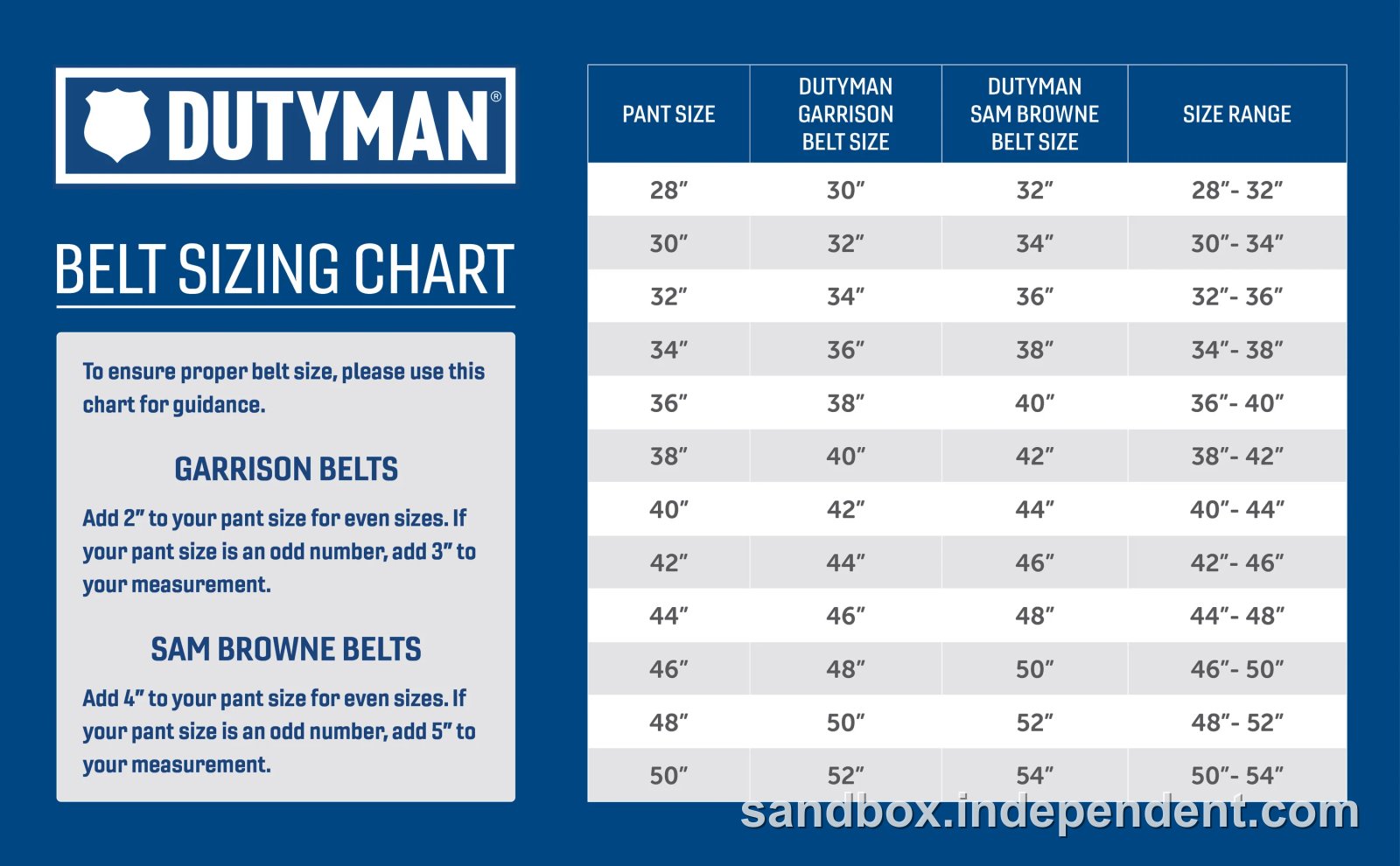
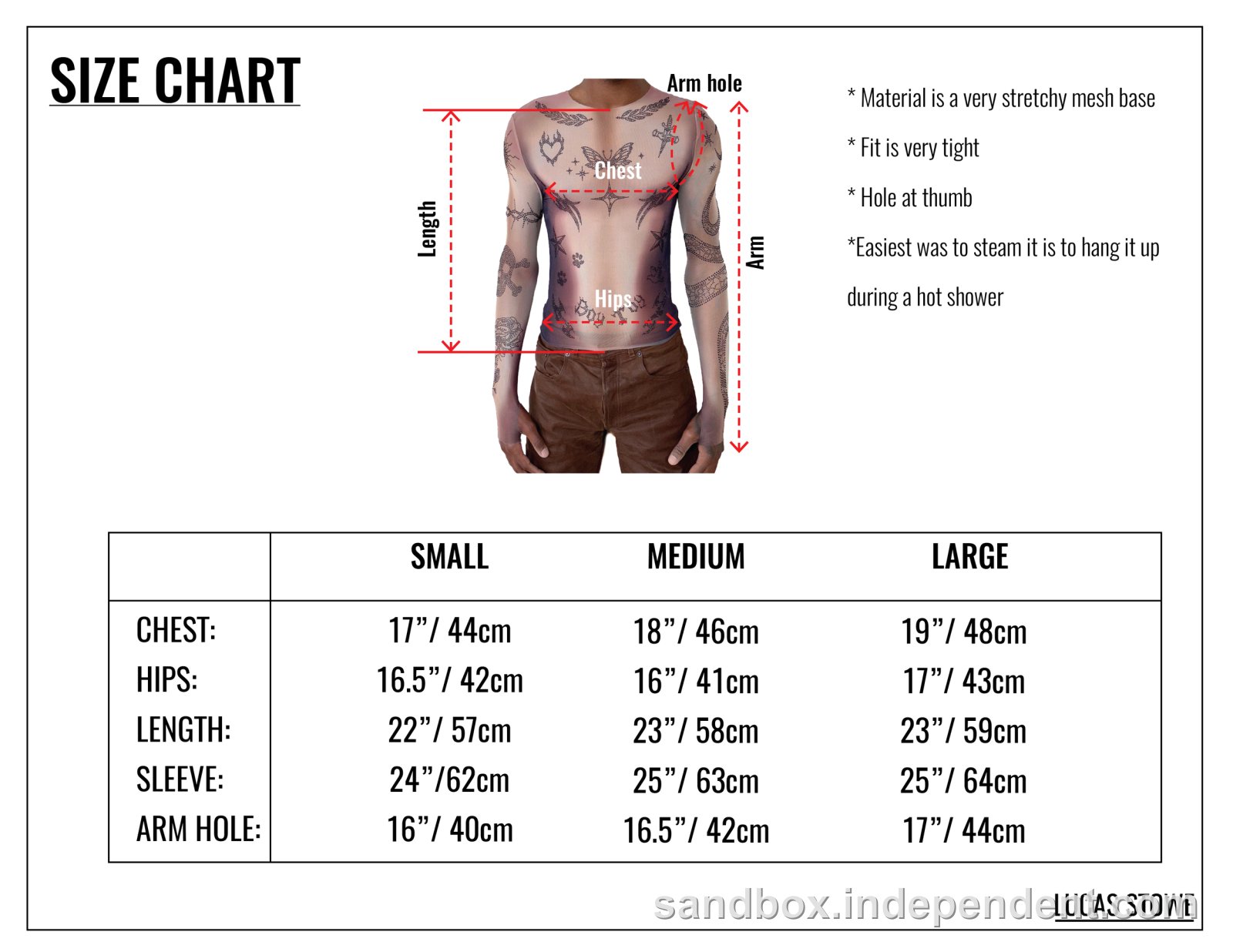
A youth size chart is a handy tool for parents and caregivers, offering a quick and accurate way to find the right fit for kids' clothing and shoes. This guide will show you how to navigate these charts, ensuring you get the perfect size every time.
Understanding the youth size chart is essential, especially when shopping online or for specific brands. While the charts provide standard measurements, they can vary slightly, so knowing how to read them is key.
Youth Size Chart: A Practical Guide
A youth size chart is an essential tool for parents and caregivers to ensure kids' clothes and shoes fit comfortably and correctly. This chart provides a standardized guide to help you choose the right size for children's apparel and footwear.
Key Details and Categories
The youth size chart typically includes categories for clothing and shoes, with specific measurements for each. For clothing, you'll find sizes ranging from XS (extra small) to XL (extra large), each with corresponding chest, waist, and height measurements in inches or centimeters. Shoe sizes, on the other hand, are numbered and often include an age range as a reference.
Understanding the Chart: Step-by-Step
To use the youth size chart accurately, follow these steps:
- Measure your child's chest, waist, and height. Ensure you use a flexible measuring tape for an accurate reading.
- Locate the appropriate category on the chart: clothing or shoes.
- For clothing, find the size that best matches your child's measurements. If their measurements fall between two sizes, choose the larger size for comfort and room to grow.
- For shoes, identify the size that aligns with your child's age or foot length.
- Always double-check the specific brand or manufacturer's guidelines, as sizing can vary slightly between brands.
Common Size Variations and Why They Occur
It's important to note that youth sizes can vary depending on several factors:
- Region and Standard: International youth size charts may use different units or have slightly different measurements. Always check if the chart follows US or international standards.
- Clothing Style: Different types of clothing, like shirts, pants, or jackets, may have unique sizing requirements.
- Shoe Type: Athletic shoes, for instance, might have a different fit compared to dress shoes.
- Individual Differences: Every child's body is unique, so variations in body shape and size are common.
Practical Sizing Tips and Common Mistakes to Avoid
Here are some tips to ensure accurate sizing:
- Measure your child regularly, as they grow quickly!
- Don't assume that all brands follow the same sizing guidelines.
- When in doubt, opt for a slightly larger size to allow for growth.
- Avoid relying solely on age for shoe sizing; foot length is a more accurate indicator.
- Remember that comfort and fit are crucial, so always try items on if possible.
By following these guidelines and understanding the factors that influence youth sizing, you'll be able to choose the perfect fit for your child's clothes and shoes.
Hey there, I hope this youth size chart guide has been a helpful resource for you. Remember, when it comes to sizing, exact values can differ slightly, so always double-check the source and standard you're using.
It's always a good idea to bookmark pages like these for future reference, especially when you're shopping for kids and need a quick reminder of the right measurements. Feel free to explore our other guides too; we've got plenty of practical tips and tricks to make your life easier!
Related: Cat Dental Chart: A Comprehensive Guide
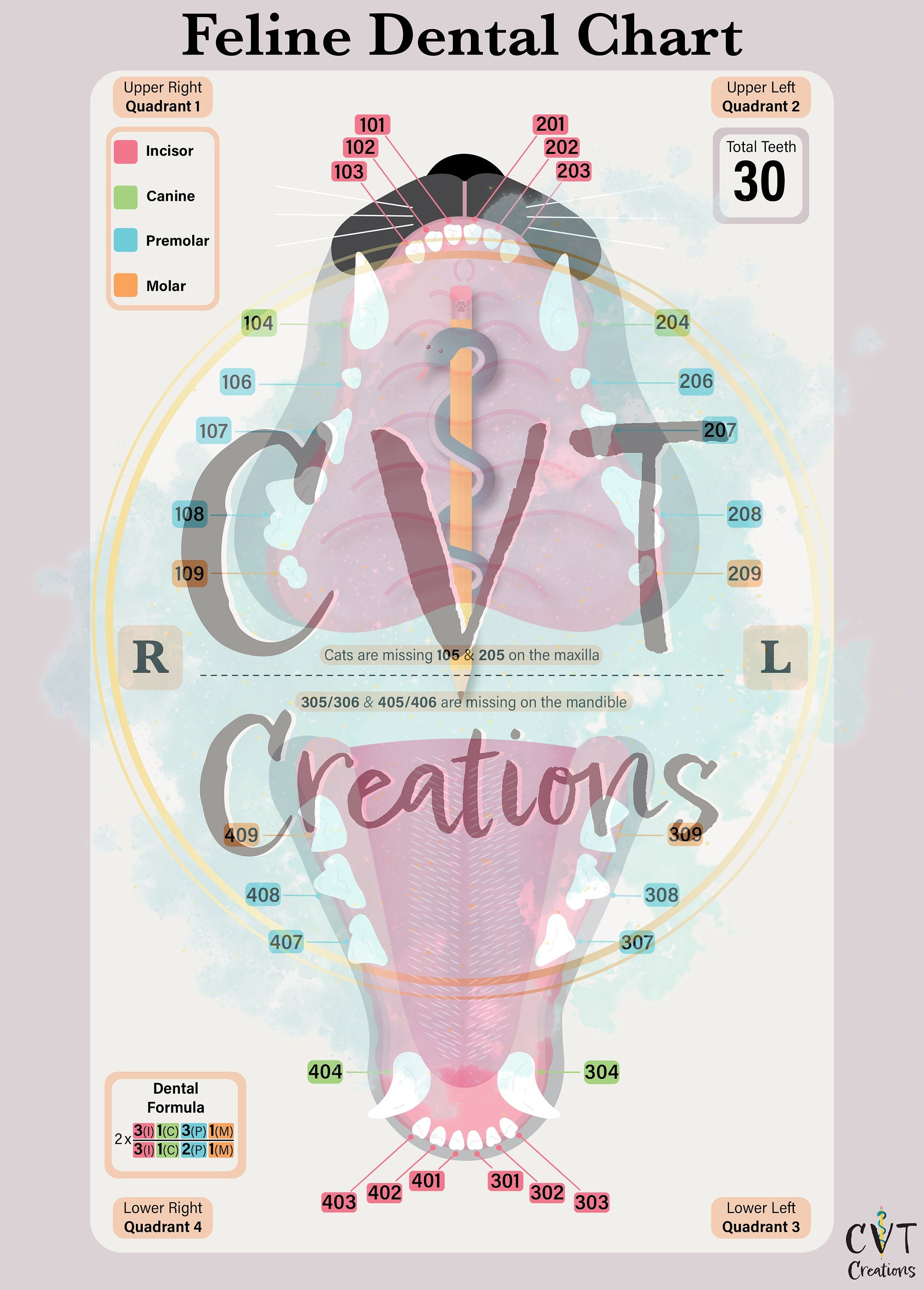
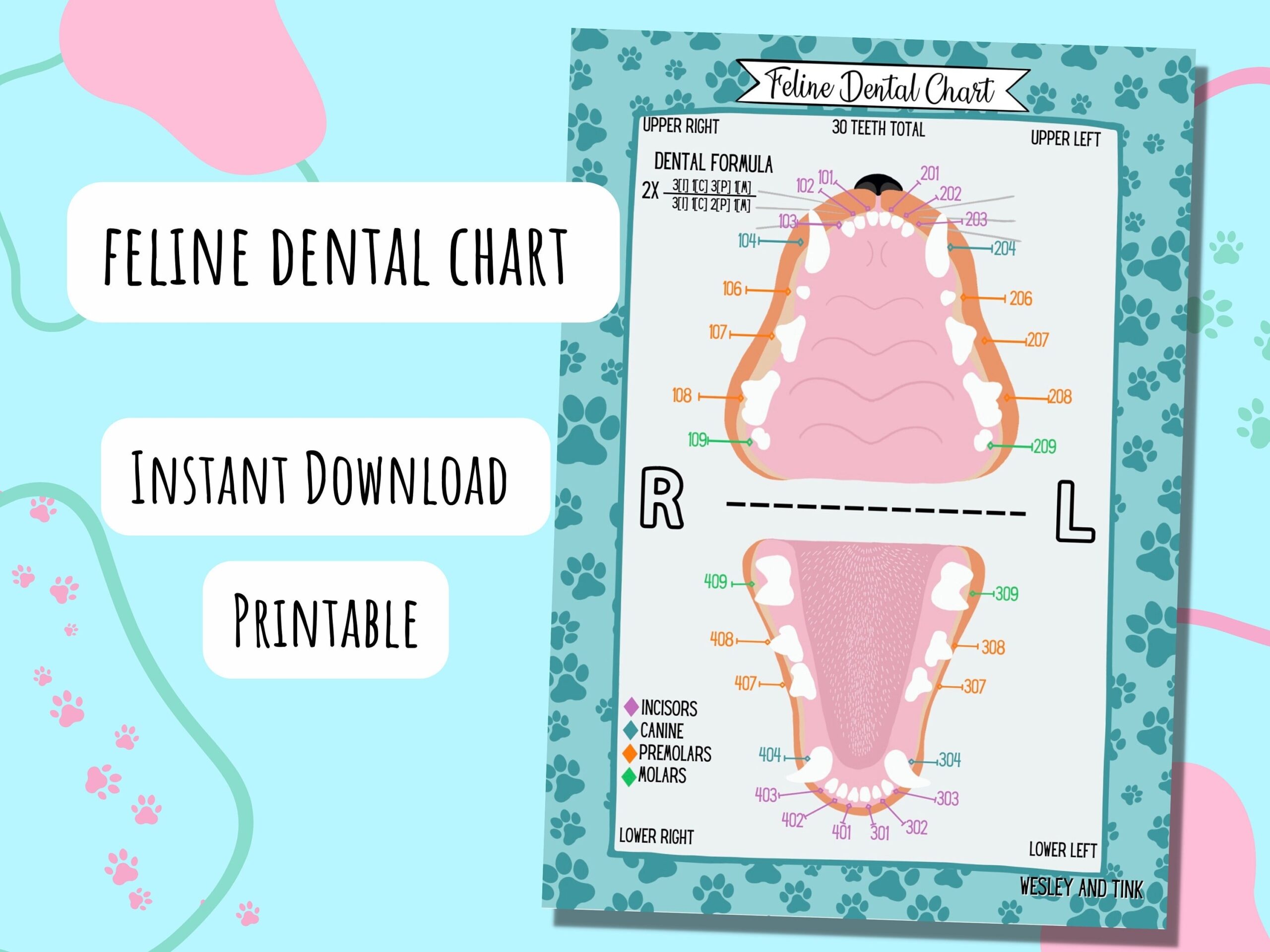
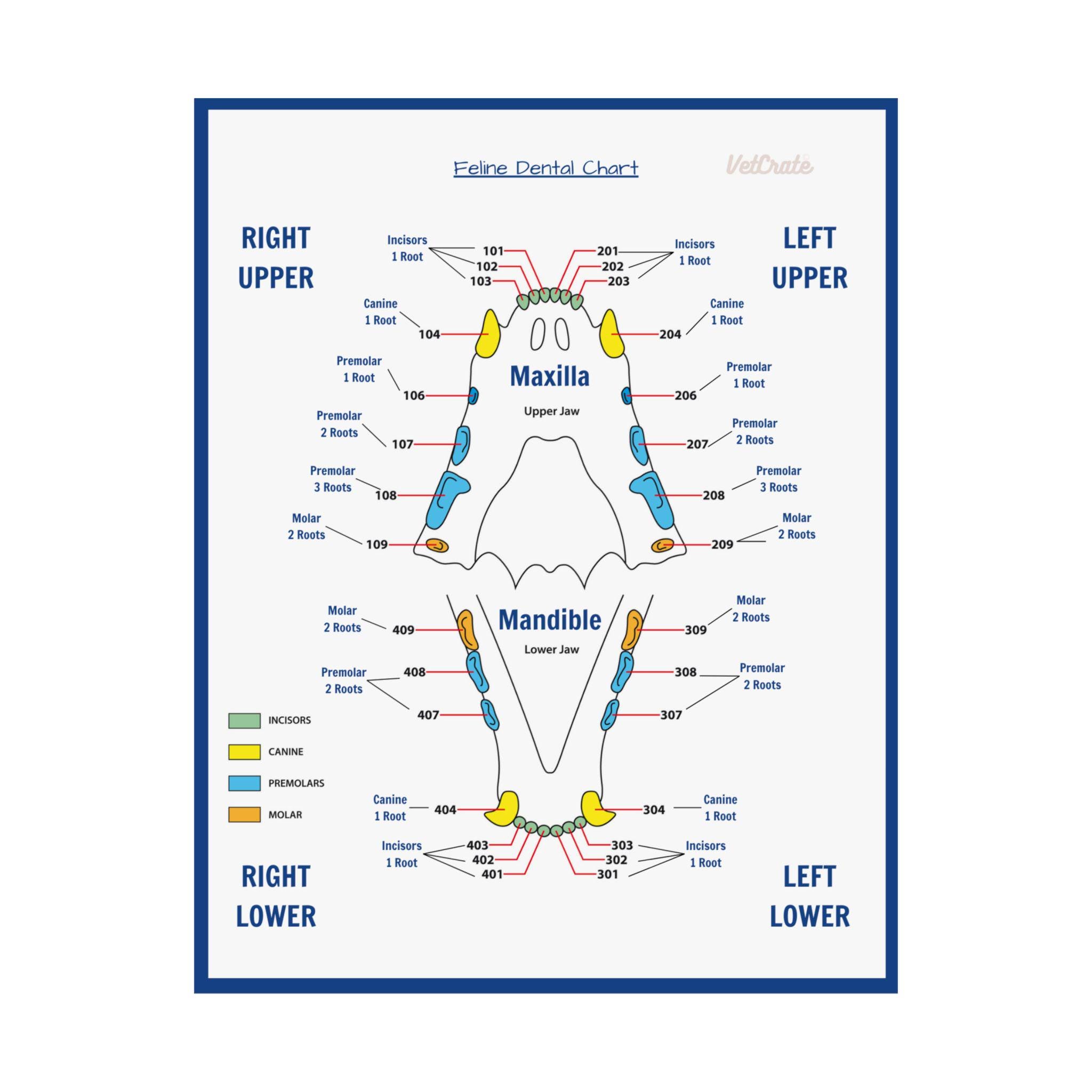
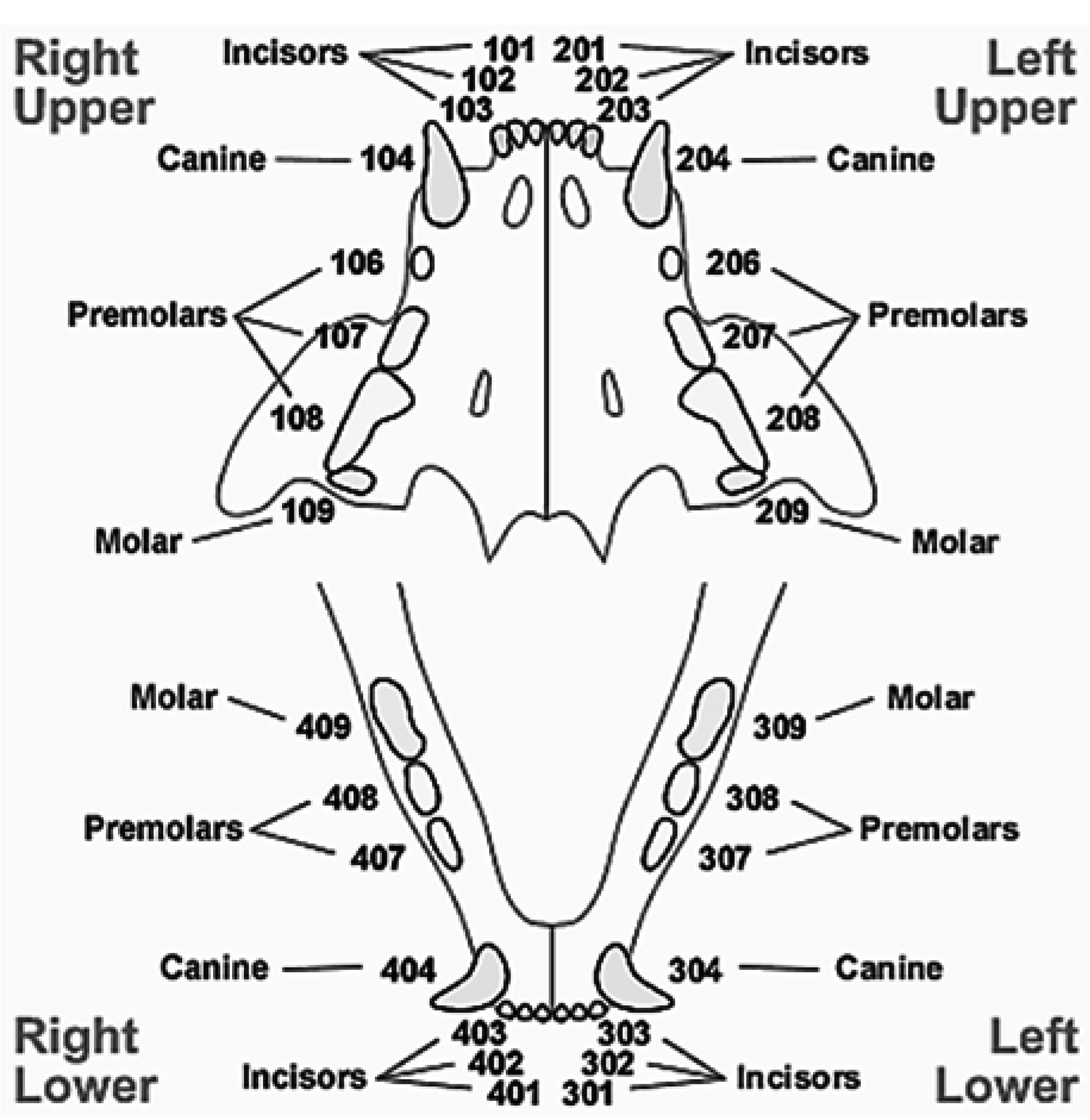
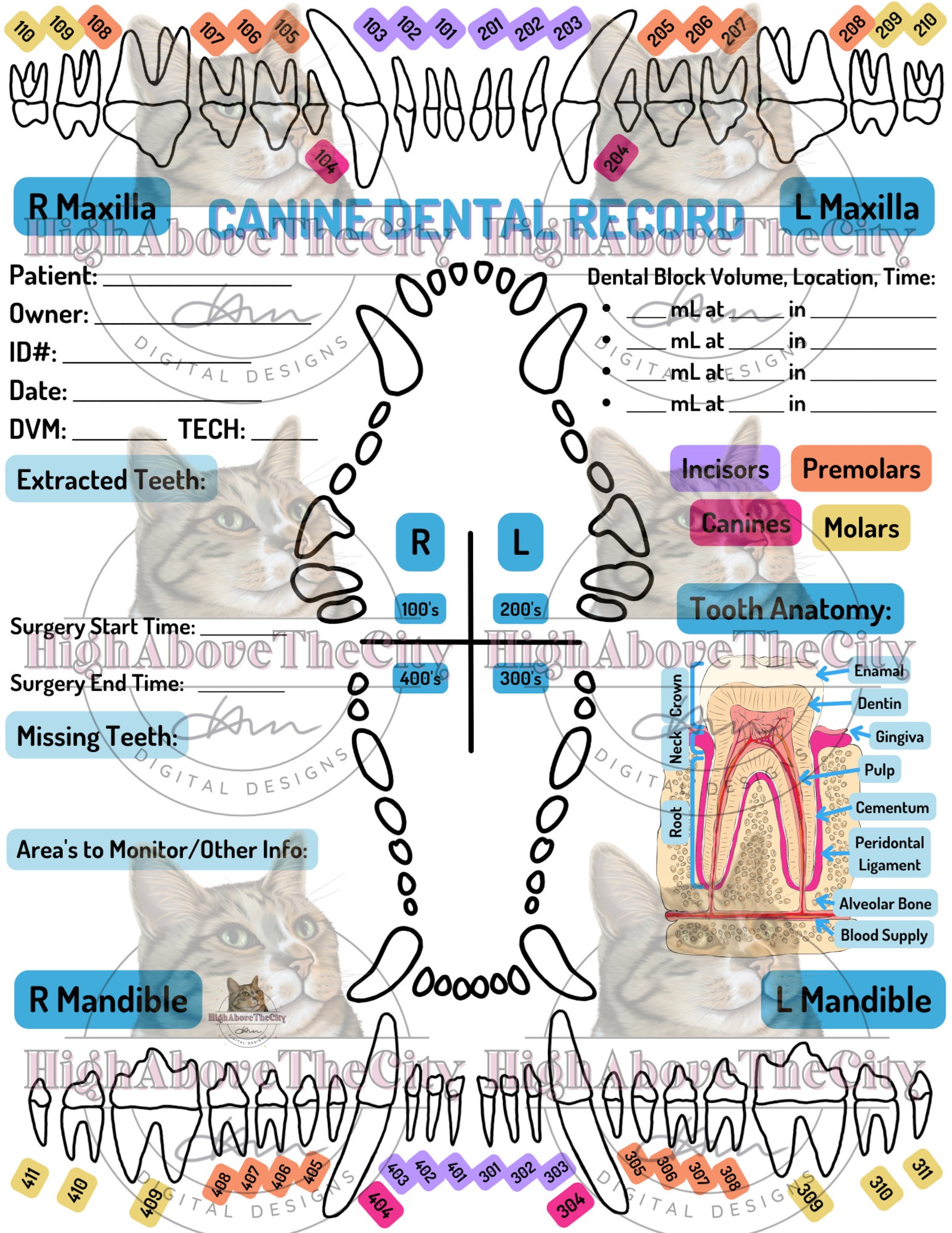
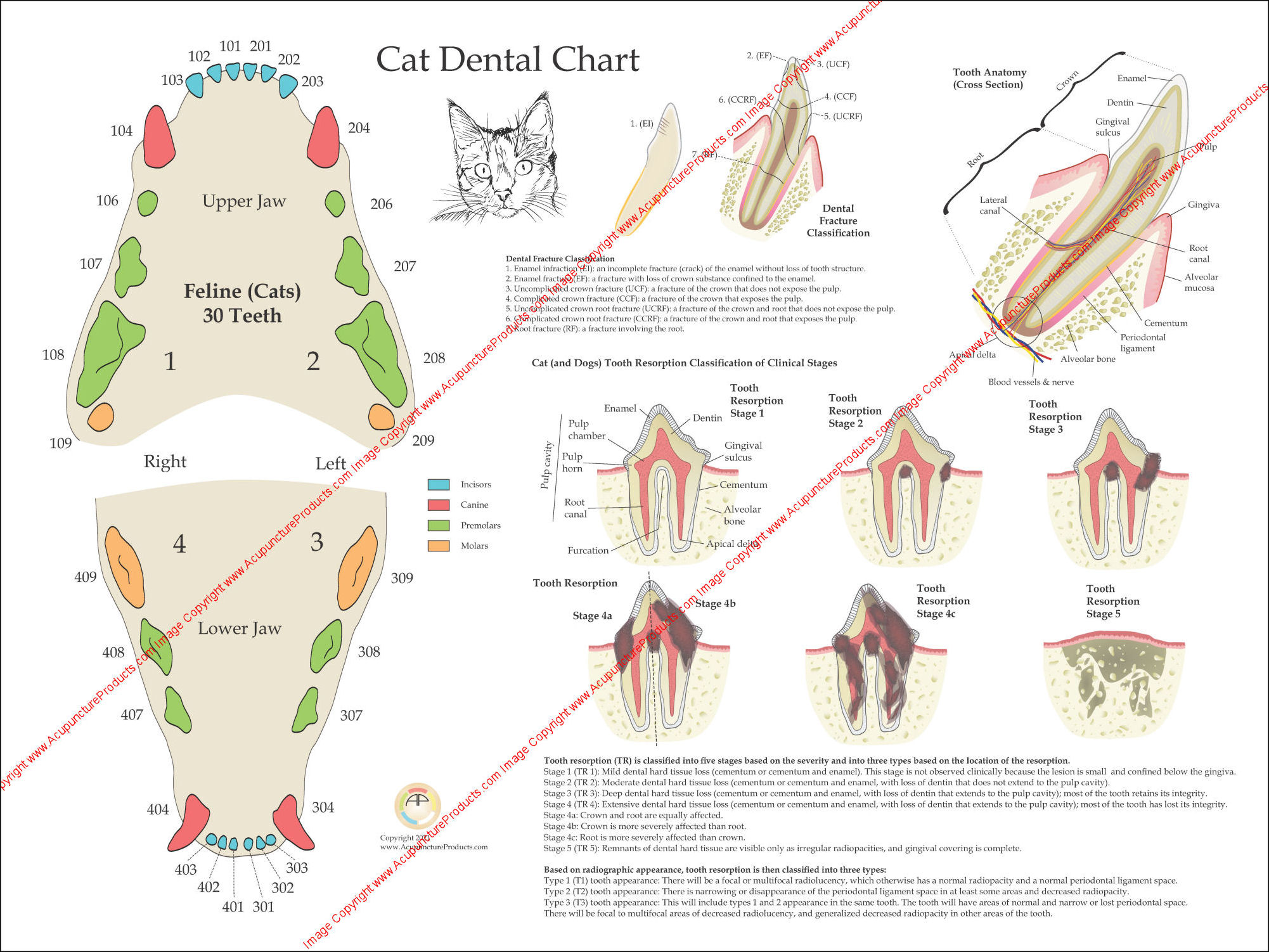
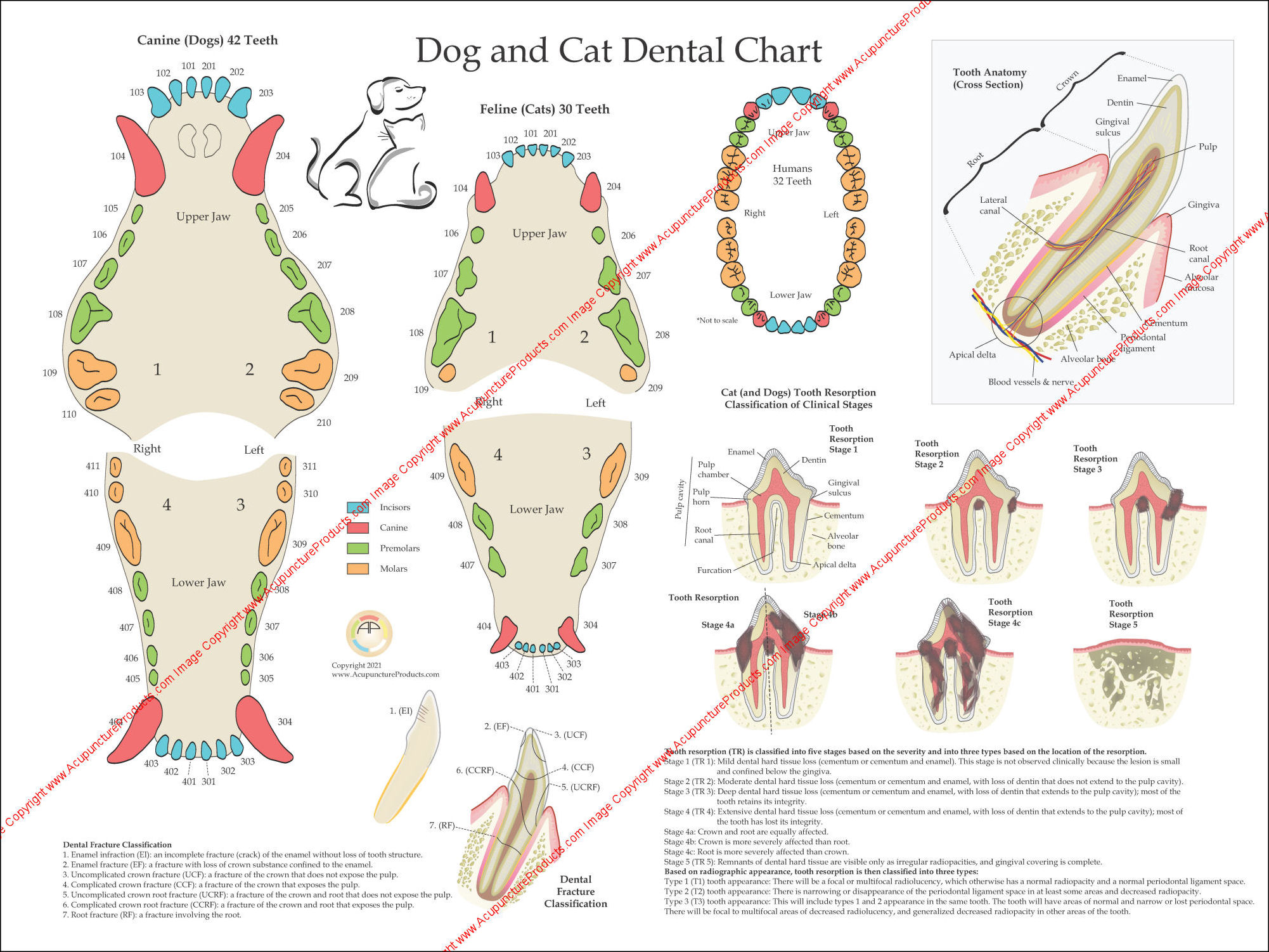
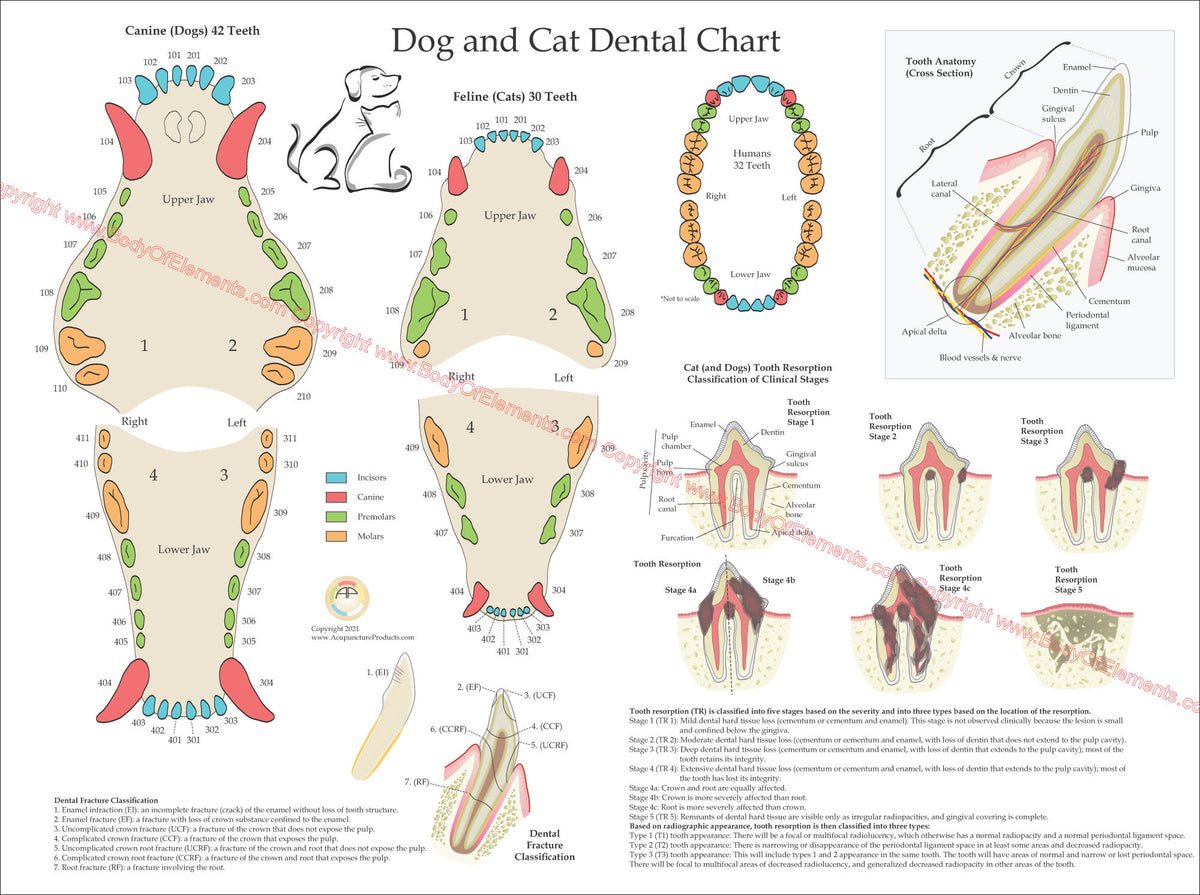
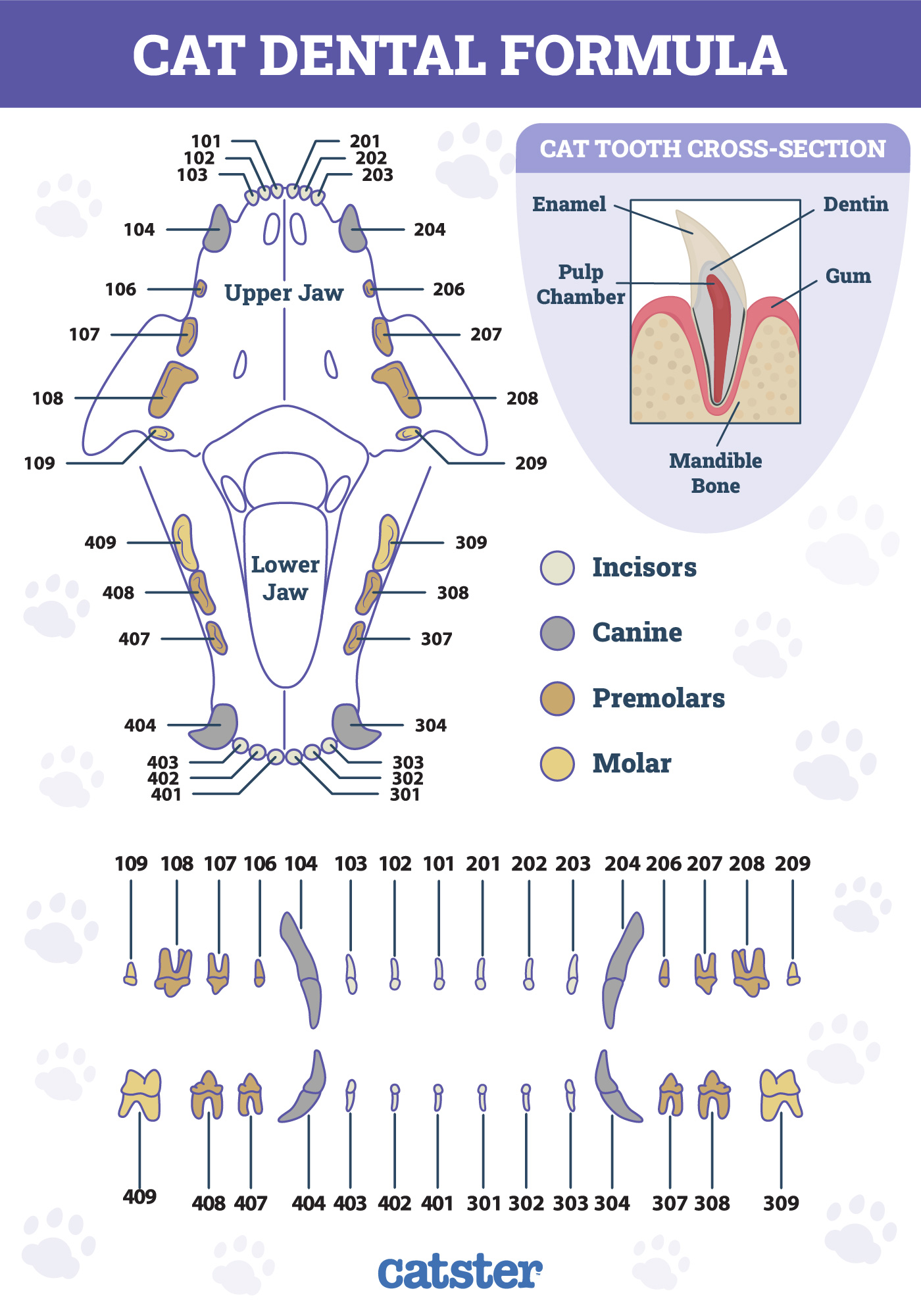
Many cat owners overlook the importance of understanding their pet's dental health, but a cat dental chart is a valuable tool to have in your kitty care arsenal. It's not as scary as it sounds; this chart is a simple, visual guide to help you navigate your cat's teeth and their unique numbering system. While it may seem like a foreign concept, it's an easy-to-use reference, and once you get the hang of it, you'll wonder why you didn't explore it sooner! The chart, often featuring a cat teeth diagram, provides a clear overview of your cat's dental anatomy, and it's worth taking the time to familiarize yourself with it.
Understanding the Cat Dental Chart
The cat dental chart is a handy reference tool for cat owners and veterinary professionals. It provides a visual representation of a cat's teeth, helping you identify and locate specific teeth easily. This chart is like a map, guiding you through your cat's dental anatomy.
Standard Tooth Notation and Formats
The cat dental chart typically follows a consistent format, using a standardized tooth notation system. This system assigns unique codes or numbers to each type of tooth, indicating its position in the cat's mouth. For example, the notation may use a combination of letters and numbers, such as 'I1' for the first incisor or 'PM4' for the fourth premolar. These notations are universal and help ensure consistency across different charts and references.
Step-by-Step Guide to Using the Cat Dental Chart
- Familiarize yourself with the chart's layout. Identify the different sections representing the upper and lower jaws, and note the tooth types and their positions.
- Locate the specific tooth you want to examine or treat. Use the standardized notation to find the correct tooth on the chart.
- Refer to the chart to understand the tooth's characteristics, such as its size, shape, and typical appearance. This can aid in identifying any abnormalities or issues.
- When treating or examining your cat's teeth, refer to the chart to ensure you are working on the correct tooth and following the appropriate procedures.
Avoiding Misreadings and Pitfalls
While the cat dental chart is a valuable tool, it's essential to be aware of potential variations. Different cat breeds may have slight differences in their dental anatomy, so always double-check the specific breed's dental formula if needed. Additionally, ensure you are using the correct chart for your region or standard. For instance, some charts may use different notation systems or measurements, so always refer to the chart's key or legend for clarity. Misreading these details can lead to incorrect assumptions about your cat's dental health.
Hey there, cat lovers! We hope this guide has given you a purr-fect understanding of the cat dental chart and its uses. Remember, while the basics remain the same, there might be slight variations in the details, so always double-check the specific standards or sources you're working with.
Don't forget to bookmark this page for future reference; it'll be a life-saver the next time you need a quick reminder! We've got plenty more practical guides like this one, so feel free to explore and find the purr-fect resources for all your cat-related needs. Meow for now!