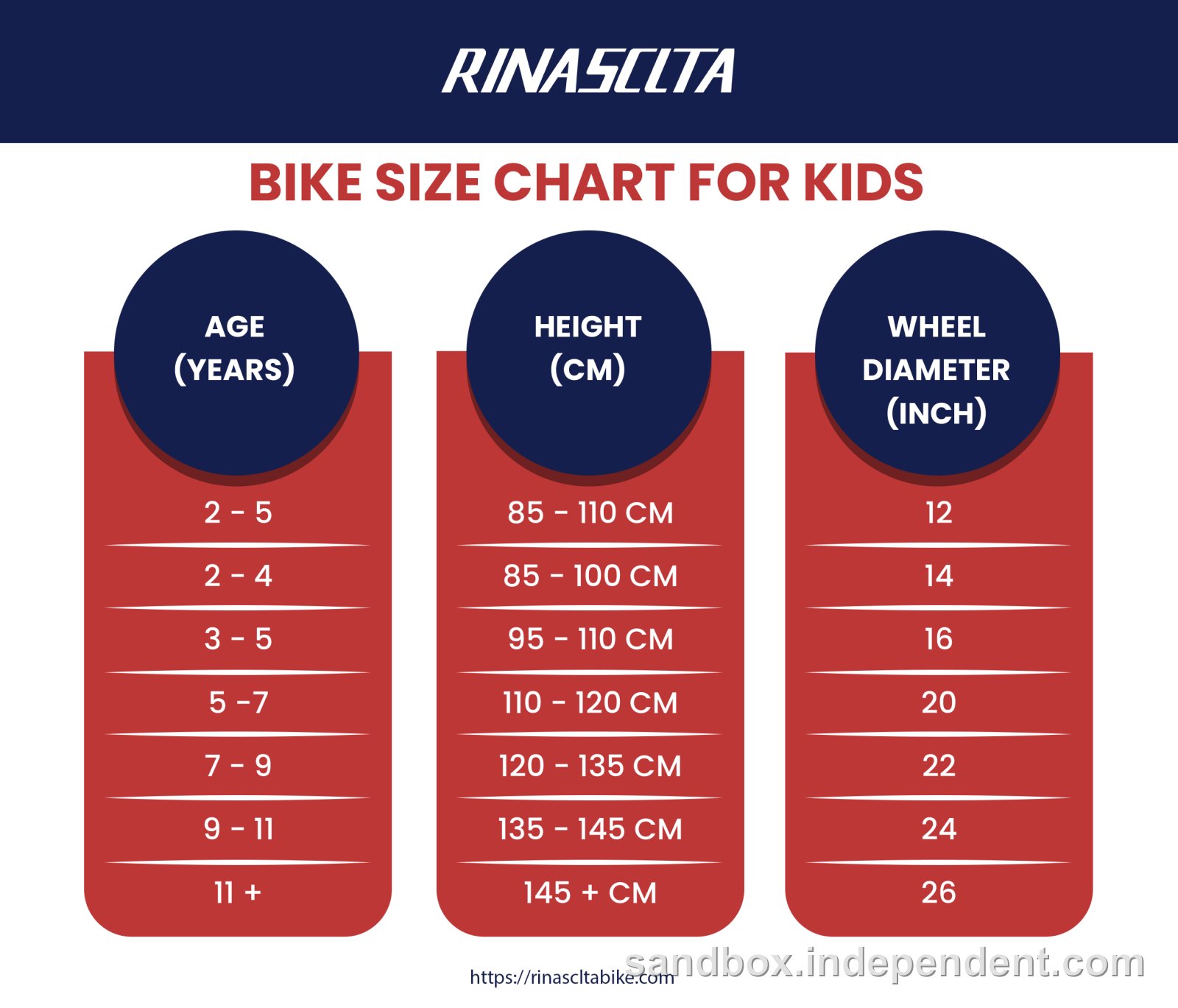


Moncler Size Chart For Kids Overview
You're probably here because you need a quick answer, right? Well, if you're looking for a door handing chart, you've come to the right place. It's a simple yet handy reference tool that tells you everything you need to know about door handing and its direction. This chart provides a clear visual guide, ensuring you get the door swing direction right, every time. Whether it's for a new installation or a quick fix, the door swing chart is your go-to resource, offering a standard way to determine the door handing direction and hinge placement.
Understanding the Chart: A Quick Overview
The door handing chart is a handy tool that simplifies the process of determining a door's handing and swing direction. It provides a visual reference, typically in the form of a diagram or table, to help you understand how a door should be installed and which way it should open. This chart is especially useful for ensuring proper door installation and functionality.
Comparing Handing Directions: Left, Right, and More
The door handing chart categorizes doors based on their handing direction, which refers to the side from which the door is opened. It usually includes categories like "left-hand inswing" and "right-hand outswing," indicating whether the door opens inward or outward and from which side. These categories are essential for accurate installation.
Step-by-Step Guide to Using the Chart
- Identify the Door: Start by examining the door you want to install or understand. Note its size, shape, and any unique features.
- Locate the Hinge Side: Determine which side of the door has the hinges. This is crucial for identifying the handing direction.
- Refer to the Chart: Consult the door handing chart and find the category that matches your door's hinge placement and swing direction.
- Follow the Chart's Instructions: The chart will provide clear guidance on how to install the door based on its handing. It may include visual aids or written instructions.
- Double-Check: Always verify the measurements and ensure they align with the door's specifications to avoid installation issues.
Common Misreadings and How to Avoid Them
Misinterpreting the door handing chart can lead to installation errors. One common mistake is assuming all doors swing the same way. Remember, the chart provides specific directions for each door type. Another pitfall is ignoring the hinge placement. Always consider the hinge side when referring to the chart. Additionally, be aware that some charts may use different symbols or terminology, so familiarizing yourself with the specific chart's conventions is essential.
Factors Affecting Accuracy and Real-World Use
Several factors can influence the accuracy of the door handing chart. First, ensure you are using the correct chart for your region or standard. Measurements and categories may vary, so double-check the applicable standards. Additionally, consider the door's intended use and any specific requirements, such as security or accessibility features, which might impact the handing direction. Finally, always refer to the manufacturer's guidelines, as they may provide additional specifications or recommendations.
Well, there you have it! A handy door handing chart can make your life so much easier, especially when you're dealing with different door types and their specific requirements. Remember, it's always a good idea to double-check your measurements and ensure you're following the right guidelines for your project.
Feel free to explore our other guides; we've got plenty of practical tips and tricks to share. Happy DIY-ing, and don't forget to keep those doors swinging smoothly!
Related: Find the Right Dog Size: A Simple Chart
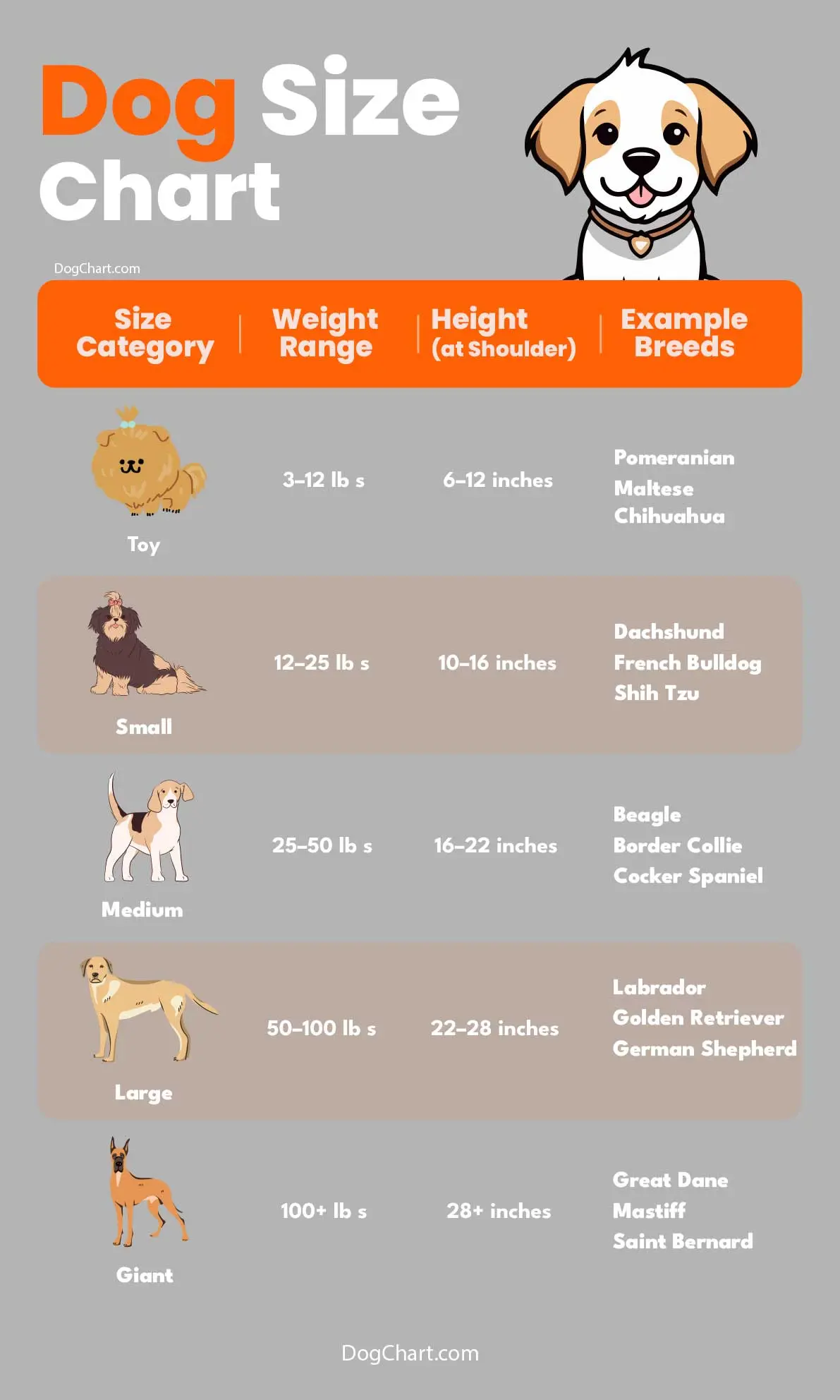
You're likely here because you need a quick reference, a reliable guide to help you understand dog size charts and their applications. These charts are an essential tool for anyone dealing with canine care, offering a simple yet effective way to visualize and compare dog sizes. From small dog breeds to larger ones, the dog size chart provides a clear overview, often including weight charts and breed size standards. It's a handy resource, especially when metric conversions or imperial measurements are involved.
Understanding the Dog Size Chart: A Practical Guide
The dog size chart is a valuable tool for anyone wanting to quickly estimate a dog's size and understand its standard category. This chart provides a visual reference, typically using height and weight measurements, to categorize dogs into various size groups. It offers a convenient way to grasp the size range of different breeds and individual dogs.
Standard Size Categories: Comparing the Options
The dog size chart typically divides dogs into categories like small, medium, large, and extra-large. These categories are based on standardized height and weight ranges. For instance, a small dog might be defined as under 10 inches tall and weighing less than 20 pounds, while a large dog could be over 24 inches tall and weigh more than 50 pounds. These ranges can vary slightly between different charts and standards, so it's essential to check the specific guidelines you are using.
Measuring Your Dog: A Step-by-Step Guide
- Stand your dog upright on a flat surface, ensuring they are comfortable and relaxed.
- Use a measuring tape to record their height from the ground to the highest point of their shoulder or withers.
- Weigh your dog using a scale suitable for their size. Ensure they are stationary and the scale is level.
- Compare these measurements to the dog size chart to determine their size category.
Common Misreadings and How to Avoid Them
One common mistake is assuming that all dogs within a size category are the same. While the chart provides a standard, individual dogs can vary significantly within these ranges. Additionally, some breeds may have unique characteristics that affect their size, such as long legs or a heavy build. Always consider these factors and compare your dog's specific measurements to the chart rather than relying solely on their breed's typical size.
Key Factors Affecting Accuracy and Real-World Use
Several factors can impact the accuracy of the dog size chart. First, the chart's measurements are approximate and may not account for all variations in dog breeds and individuals. Second, dogs can change size over time, especially during growth or weight fluctuations. Regularly re-measuring your dog, especially if they are young or their weight is changing, ensures the most accurate assessment. Finally, remember that the chart is a guide, and individual dogs may not fit neatly into a single category. Always consider your dog's unique characteristics and consult a veterinarian for specific health or nutritional advice based on their size and breed.
Well, there you have it! A comprehensive guide to dog size charts, covering all the bases. Remember, while these charts provide a helpful framework, exact values may differ slightly based on various factors.
Feel free to explore our other guides for more practical insights. We've got plenty of resources to keep you informed and inspired, so take a look around and find something that piques your interest!
Related: How to use a chain size chart?
You're probably here because you need a quick solution, and who can blame you? When it comes to chain size chart, having the right information at your fingertips is key. This chart is your go-to resource, offering a simple and visual way to find the right chain dimensions. It's a handy tool that saves you time and effort, especially when you need to make quick decisions. While the values may vary depending on various factors, this chain size chart is a reliable starting point.
What is a Chain Size Chart?
A chain size chart is a handy reference tool that simplifies the process of identifying and selecting the right chain size for various applications. It serves as a visual guide, providing a clear overview of different chain dimensions and their corresponding specifications.
Key Details and Categories
The chart typically includes columns for chain type, pitch, width, and length. Each category is crucial for understanding the chain's dimensions and ensuring compatibility with your specific needs. The pitch refers to the distance between the chain's pins or rollers, and it is a fundamental measurement. Chain width and length are also essential factors, especially when dealing with bike chains or industrial applications.
How to Read and Apply the Chain Size Chart
To use the chain size chart effectively, follow these steps:
Identify the type of chain you need. This could be a bike chain, conveyor chain, or a specific industrial chain. Different applications require unique chain designs and sizes.
Determine the pitch of your chain. This measurement is critical and often dictates the compatibility of your chain with other components, such as sprockets or gears.
Next, consider the chain width. This dimension ensures proper fit and function, especially when the chain interacts with guide plates or other machinery.
Finally, assess the required chain length. This step is crucial for applications like bicycles, where the chain's length directly impacts the gear ratios and overall performance.
Variations and Differences
It's important to note that chain size charts can vary depending on the standard being used. Common standards include the Imperial system (often used in the US) and the metric system (used internationally). These standards may have slightly different measurements and categories, so it's essential to refer to the appropriate chart for your region or application. Additionally, some charts may provide conversions between metric and Imperial units for convenience.
Common Mistakes and How to Avoid Them
One common mistake is assuming that all chains of the same type are universally compatible. While many chains share similar dimensions, subtle differences in pitch, width, or length can render them incompatible. Always double-check the specific measurements and tolerances provided by the manufacturer or standard to ensure accurate selection.
Practical Tips for Accurate Results
When using a chain size chart, consider these tips:
Always refer to the most recent and relevant standard for your region or application. Standards may evolve, so staying updated is crucial.
Pay attention to the units used in the chart. Some charts may mix metric and Imperial units, so ensure you understand the conversions if needed.
When measuring chains, use accurate tools like a caliper or a tape measure. Precision is key to selecting the right chain size.
If you're unsure about a specific chain dimension, consult with experts or refer to detailed specifications provided by manufacturers.
Keep in mind that some chains, especially those for industrial applications, may have unique features or variations. Always consider these when selecting a chain.
Hey there! We've covered a lot of ground with this chain size chart guide, and I hope it's given you a clear understanding of the basics. Remember, while the fundamentals remain the same, exact details can vary slightly depending on the context and the standards you're working with.
Feel free to explore our other guides for more practical insights and tips. We've got a whole range of topics to help you tackle various projects and tasks. Happy reading, and stay tuned for more!