




Professional Auto Repair Invoice Template Excel Overview
"I've been putting off those house repairs for too long, but I really need to get them done. Time to find a contractor for house repair!"
All About Hiring a Contractor
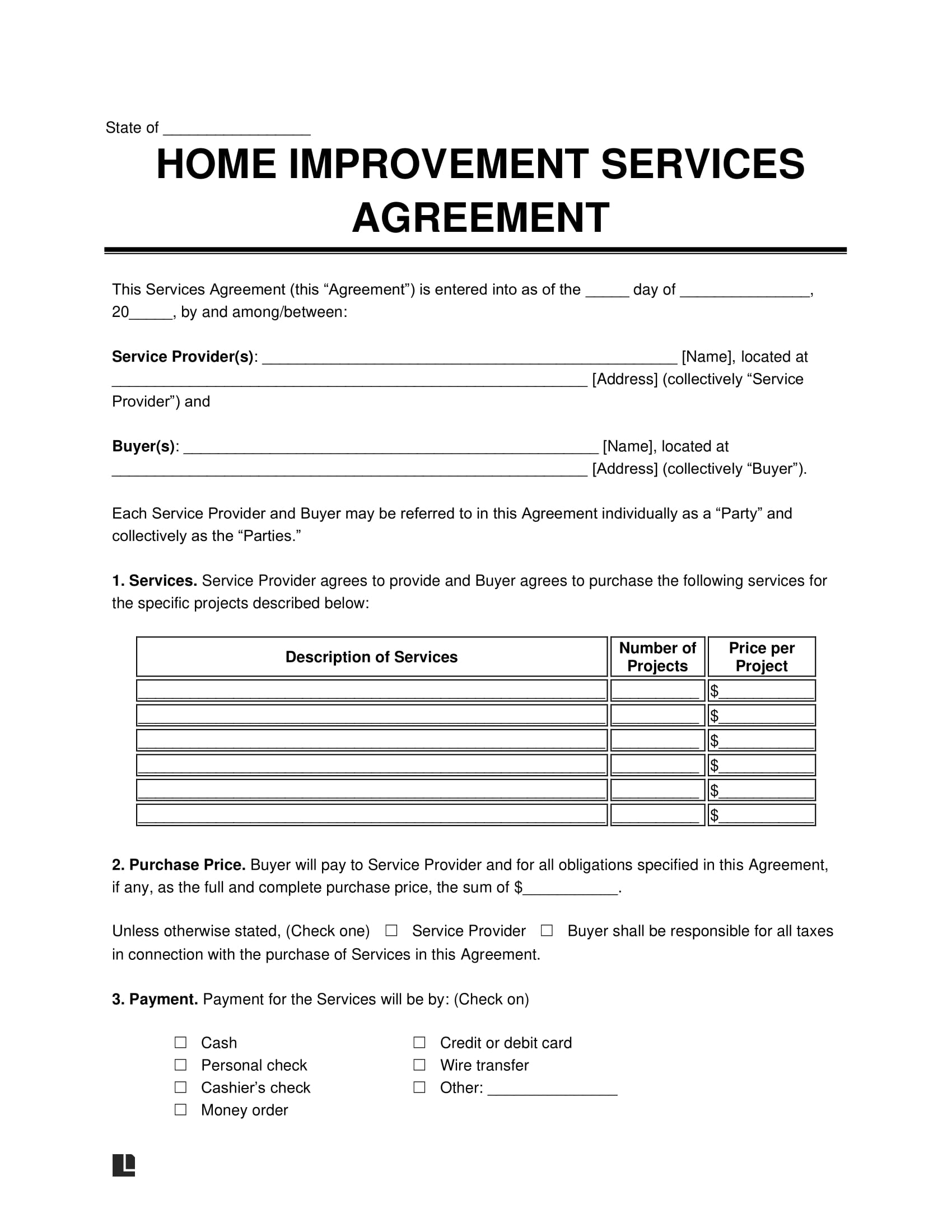
So, you've got some home repairs or renovations on your to-do list, and you're thinking about hiring a contractor to get the job done. It's a big step, and there's a lot to consider. A contractor for house repair can handle all sorts of jobs, from small fixes to major overhauls. They're the experts in construction and remodeling, and they'll have the skills and tools to get your project completed.
When it comes to costs, it's tricky to give an exact figure as it depends on so many factors. The size of the job, the materials needed, and the labor involved will all impact the price. It's a good idea to get quotes from a few different contractors to compare. Look for detailed quotes that break down the costs, so you can see what you're paying for. Don't just go for the cheapest option; consider the quality of the work and the contractor's reputation too.
Finding and Choosing the Right Contractor
There are lots of contractors and building companies out there, so how do you find the right one? Word of mouth is a great way to start - ask friends or family for recommendations. You can also search online for local contractors and read reviews to get an idea of their work. When you've found a few potential contractors, give them a call or send an email to ask some initial questions.
Find out about their experience and the types of projects they typically work on. Ask about their availability and how long they estimate the job will take. It's also worth asking about any potential extra costs or unexpected issues that might arise during the work. A good contractor will be transparent and give you an honest assessment.
Naming Your Construction Business
If you're thinking of starting your own construction business, you'll need a great name. The name should be memorable and reflect the nature of your work. It might include words like 'build', 'repair', 'remodel', or 'renovate'. It could also be a play on your own name or a unique combination of words. Here are a few ideas:
- Build-It-Better
- Renovate Right
- Fix-It-Fast
- Home Remedy
- Construction Solutions
- The Repair Crew
Remember to check the availability of the name you choose. You'll need to register it locally and secure the domain name for your website.
The Construction Industry and You
The construction industry offers a range of jobs, from general contractors and estimators to specialized roles like plumbers, electricians, and carpenters. If you're looking for work, these roles are often advertised online or through local recruitment agencies. The industry is always in need of skilled workers, so it's a great field to get into.
Estimators, for example, play a crucial role in construction. They use tools like RSMeans to calculate the costs of materials and labor for a project. It's a detailed and important job, and estimators are in high demand.
Big Companies and the Industry Outlook
The construction industry is made up of a mix of small, medium, and large companies. The bigger firms often have more resources and can take on larger, more complex projects. They might have a wider range of specialized staff and more advanced tools and equipment.
However, smaller companies can offer a more personalized service and often have a strong local reputation. It's a competitive industry, and companies of all sizes are always looking for ways to stand out and offer the best service.
So, there you have it! A contractor for house repair is a great option for getting those home improvements done. It's an exciting step, and with the right contractor, you'll be enjoying your renovated space in no time.
Related: A Beginner's Guide to TCU Depth Chart
A tcu depth chart is a handy tool for any sports fan or enthusiast, offering a quick glimpse into the team's lineup and player positions. This guide will break down the essentials, ensuring you can read and understand these charts like a pro.
The depth chart is a simple yet effective way to visualize the team's structure. It displays the starter positions and provides insights into the tcu roster, offering a clear picture of the football depth chart and the team's lineup strategy. While formats may vary, the core purpose remains the same: to provide a reliable reference.
Understanding the TCU Depth Chart: A Practical Overview
The TCU depth chart is a valuable tool for any sports enthusiast, especially when it comes to football. It provides an organized view of a team's player lineup, giving you insights into their positions and rankings. Think of it as a roadmap to the team's strategy!
Comparing Common Positions and Player Rankings
The depth chart categorizes players based on their roles and skills. It typically lists offensive and defensive positions, with starters and backups clearly indicated. For instance, you'll find quarterbacks, running backs, wide receivers, and more, each with their own depth of talent.
Step-by-Step Guide to Reading the TCU Depth Chart
- Start by identifying the main positions on the chart. These are usually the core roles like quarterback, running back, and so on.
- Next, focus on the starters. They are often listed first and are the players who will begin the game.
- Look for the backups. These are the players who can step in if needed, and they are usually listed in order of their skill level or experience.
- Pay attention to the depth. A well-balanced chart will show a good spread of talent, ensuring the team has options and flexibility.
Avoiding Misreadings and Pitfalls
One common mistake is assuming the depth chart is set in stone. In reality, it can change frequently due to injuries, performance, or strategic decisions. Always check the latest version to ensure you have accurate information. Additionally, remember that the chart is a guide, and actual game-time decisions may vary.
Factors Affecting Accuracy and Real-World Use
The accuracy of the TCU depth chart depends on various factors. Firstly, it is influenced by the team's coaching staff and their strategic choices. Secondly, player performance and health can lead to adjustments. Lastly, external factors like weather or opponent strategies might impact the chart's effectiveness. It's essential to consider these variables when interpreting the chart.
Hey there! We've covered a lot of ground, but remember, every depth chart is unique, and the specifics can differ. It's always a good idea to tailor it to your needs and the context you're working with.
Feel free to explore our other guides; we've got a bunch of practical tips and tricks to help you navigate various topics. Happy learning, and don't hesitate to dive into more resources!
Related: A Beginner's Guide to Arrow Spine Chart
An arrow spine chart is a handy tool for archers, offering a simple way to choose the right arrow. This guide will walk you through the chart's basics, helping you understand its key features and how to use it effectively.
The chart provides a quick reference, showing arrow stiffness or spine weight, which is crucial for accurate shooting. It considers factors like arrow length and your draw weight, ensuring you pick the perfect arrow for your needs. Whether you're into hunting or target practice, the chart's versatility covers various archery styles and preferences.
What is an Arrow Spine Chart?
An arrow spine chart is a valuable tool for archers and bow hunters. It provides a visual representation of the stiffness or flexibility of an arrow, which is a critical factor in arrow selection. This chart helps you choose the right arrow spine for your bow and intended use, ensuring optimal performance and accuracy.
Understanding the Key Details
The arrow spine chart typically displays two main categories: arrow length and spine weight. Arrow length is measured in inches or centimeters, depending on the standard used. Spine weight, also known as arrow stiffness, is represented by a numerical value that indicates the amount of deflection an arrow undergoes when a force is applied. This value is usually measured in pounds or grams, again depending on the standard. The chart provides a reference for selecting the appropriate spine weight based on arrow length, bow draw weight, and intended use.
How to Read and Apply the Chart
To use the arrow spine chart effectively, follow these steps:
Determine your arrow length. Measure the length of the arrow you intend to use, ensuring it matches the standard used on the chart.
Find the corresponding spine weight range for your arrow length. The chart will provide a recommended range of spine weights suitable for that length.
Consider your bow's draw weight. The draw weight of your bow is a crucial factor. Higher draw weights generally require stiffer arrows with higher spine weights, while lower draw weights may call for more flexible arrows with lower spine weights.
Select the right spine weight. Choose a spine weight that falls within the recommended range for your arrow length and is suitable for your bow's draw weight. This ensures the arrow will have the right amount of flexibility and stiffness for optimal performance.
Test and adjust if needed. After selecting an arrow with the recommended spine weight, test it with your bow. If you notice excessive deflection or poor arrow flight, you may need to adjust the spine weight. Consult the chart again and try a slightly different spine weight until you achieve the desired performance.
Variations and Differences
It's important to note that arrow spine charts can vary depending on the standard used. Different regions and manufacturers may have their own charts with slightly different values and categories. Additionally, the intended use of the arrow, whether for hunting or target shooting, can also influence the recommended spine weights. Hunting arrows often require stiffer spines for better penetration, while target arrows may prioritize accuracy and stability.
Common Mistakes and How to Avoid Them
One common mistake is using an arrow with an incorrect spine weight. This can lead to poor arrow flight, accuracy issues, and even damage to your bow. To avoid this, always refer to the arrow spine chart and select the appropriate spine weight for your specific needs. Another mistake is ignoring the impact of draw weight. Remember that your bow's draw weight is a critical factor in spine selection. Failing to consider this can result in an arrow that is too flexible or too stiff, affecting your shooting experience and accuracy.
Practical Tips for Accurate Results
When using an arrow spine chart, consider these best practices:
- Always double-check the standard and units used on the chart to ensure accuracy.
- Take into account your shooting style and personal preferences. Some archers prefer a slightly stiffer or more flexible arrow, so adjust the spine weight accordingly.
- If you're an experienced archer, you may have a preferred spine weight range based on past experiences. Use the chart as a guide but trust your instincts as well.
- Consult with experienced archers or professionals if you're unsure about spine selection. They can provide valuable insights and help you make an informed decision.
- Regularly inspect your arrows for damage or wear. Over time, arrows can lose their stiffness, so it's essential to replace them when necessary.
By following these tips and understanding the arrow spine chart, you'll be well-equipped to select the right arrow spine for your archery needs, ensuring accurate and enjoyable shooting experiences.
Well, there you have it! Understanding arrow spine charts is a great foundation for any archer's toolkit. Remember, these charts are a handy guide, but always double-check the specific details for your bow and arrows.
The key is to ensure you're using the right values and units for your setup. It's a simple yet powerful tool, and with a bit of practice, you'll be able to use it like a pro. So, keep this page bookmarked, and you'll always have a quick reference guide when you need it. Happy shooting!